
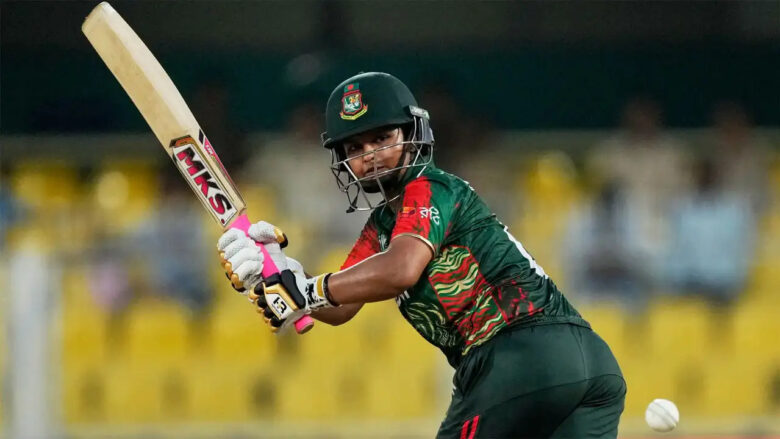
Bangladesh batter Sobhana Mostary has described the team’s 2018 Women’s Asia Cup title as the result that changed the direction of women’s cricket in the country. Bangladesh defeated India twice during the tournament and secured its first Women’s Asia Cup title with a last-ball victory in the final.
Related cricket updates: India-Bangladesh Cricket Tour and Asia Cup 2025 at Risk Due to Cross-Border Tensions, Karun Nair Recalls 2018 Snub by Virat Kohli and Ravi Shastri Ahead of IND vs ENG Test and Teen Sensation: 15-Year-Old Pacer Joins Bangladesh T20I Squad.
IPL 2026 data links: IPL 2026 data hub, IPL 2026 points table, IPL 2026 Orange Cap, IPL 2026 Purple Cap, Vaibhav Sooryavanshi, Shubman Gill, Virat Kohli, Abhishek Sharma.
Mostary said the success led to improved facilities, financial support and wider recognition for the Bangladesh women’s team. Speaking in a Times of India interview around the 2026 Women’s Asia Cup, Mostary said: “After 2018, we beat India and won the Asia Cup, so it was a huge change in Bangladesh women’s cricket. Everything changed.”
Bangladesh’s 2018 title was secured with two wins over India
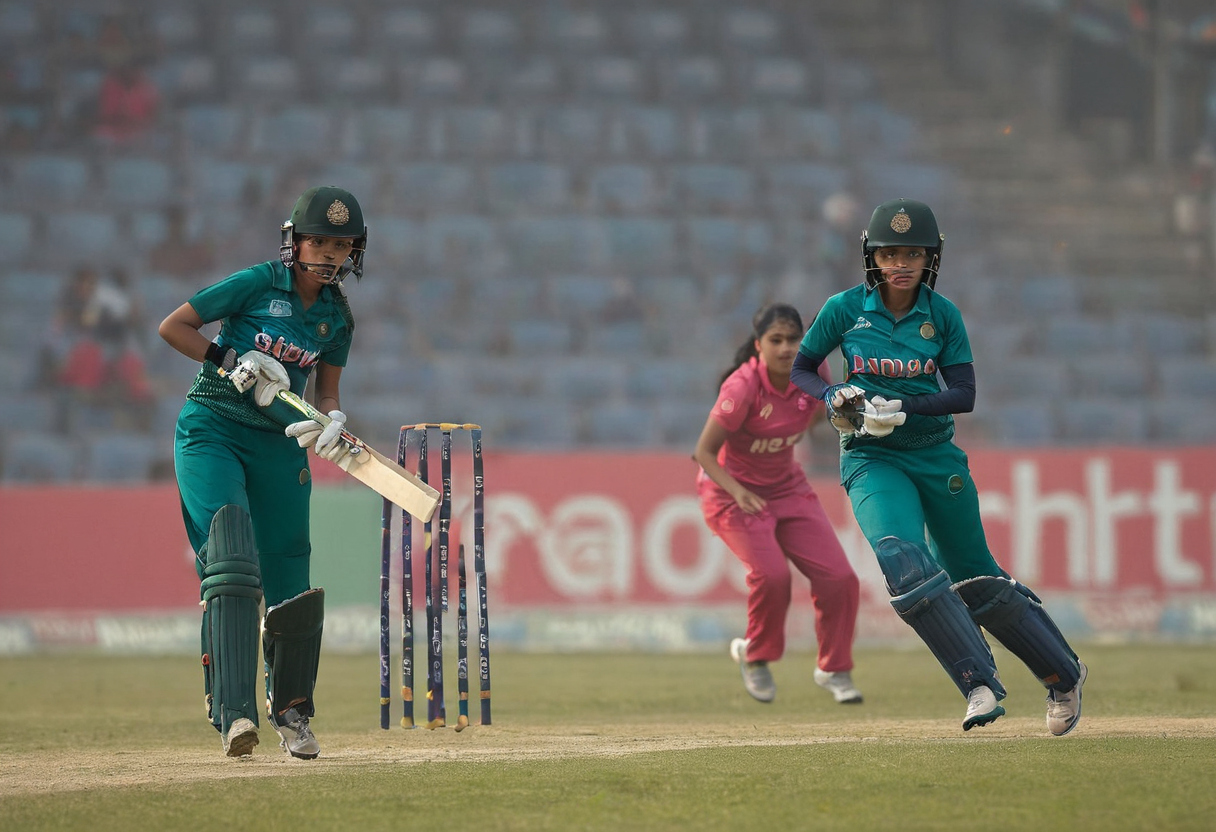
Bangladesh beat India by seven wickets in the group stage before defeating the defending champions by three wickets in the final in Kuala Lumpur. India made 112/9 in the title match, and Bangladesh completed the chase from the final ball when Jahanara Alam finished the winning two runs.
The Bangladesh Cricket Board announced a reward of two crore Bangladeshi taka for the victorious team. Mostary believes the title remains relevant because it showed Bangladesh could overcome India in a major regional tournament.
Supplemental editorial cricket visual for Sobhana Mostary: 2018 Asia Cup win changed Bangladesh women's cricket.
Mostary said Bangladesh would again aim to challenge for the Asia Cup title. The 2026 tournament placed Bangladesh in Group B with Sri Lanka, Indonesia and the UAE, while India joined Pakistan, Thailand and Hong Kong in Group A. Under that group arrangement, Bangladesh and India could meet only in the knockout stage.
Supplemental editorial cricket visual for Sobhana Mostary: 2018 Asia Cup win changed Bangladesh women's cricket.
Mostary’s route to international cricket began at a village academy
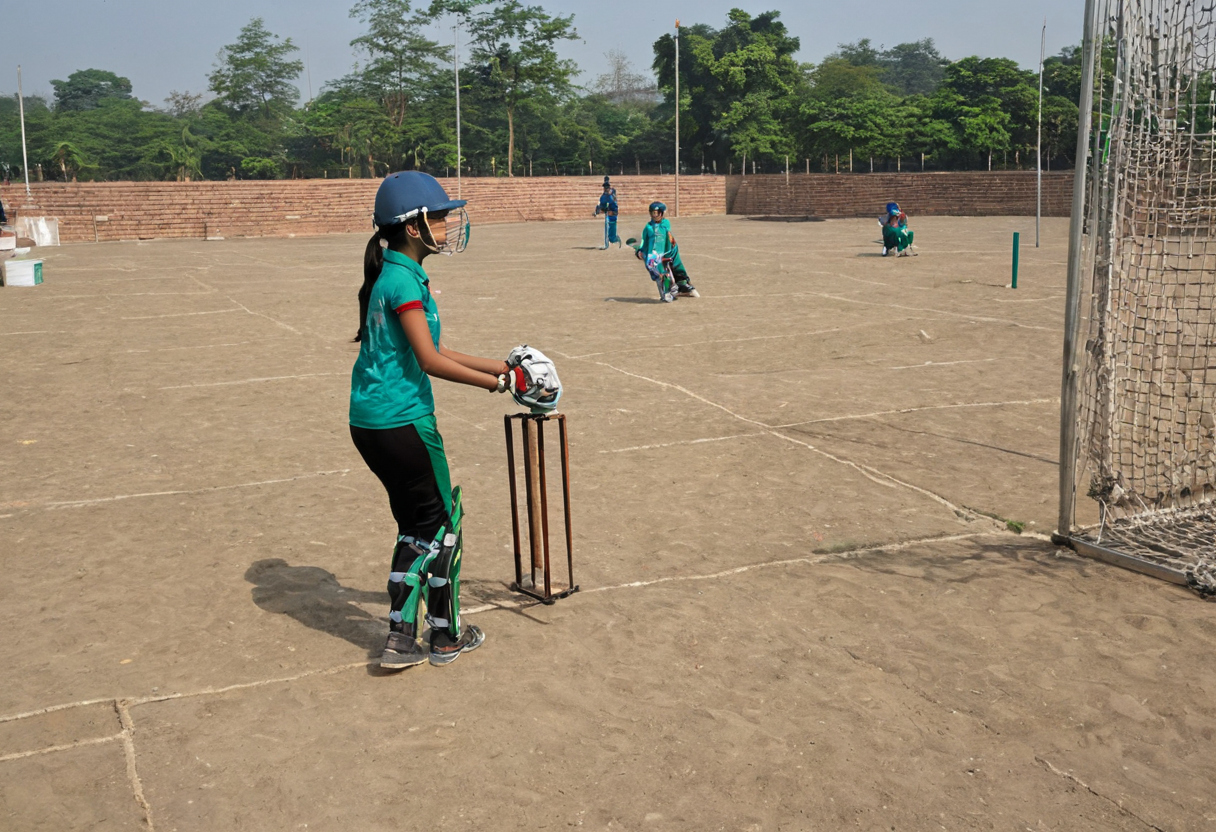
Sobhana Mostary started playing football, badminton and cricket as a child before her father took her to a village cricket academy at the age of 10. After approximately six months of training, Mostary attended a trial conducted by the Bangladesh Krira Shiksha Pratisthan and earned selection.
Mostary then moved to Dhaka without her parents to pursue cricket. The Bangladesh batter made her international debut at 16, but an early debut did not immediately produce a regular place in the playing XI.
Mostary recalled spending roughly three to three-and-a-half years travelling with the Bangladesh team without receiving consistent opportunities. The batter said she remained patient and waited for a chance to demonstrate her ability.
The ICC described Mostary as a promising player in 2023, according to the source account, but Mostary said her development remains unfinished. “I don’t think I have fulfilled my dream and that bright future yet, but day by day, I improve,” she said.

Supplemental editorial cricket visual for Sobhana Mostary: 2018 Asia Cup win changed Bangladesh women's cricket.
Harmanpreet Kaur’s batting shaped Mostary’s approach
India captain Harmanpreet Kaur was one of Mostary’s childhood inspirations, with Kaur’s unbeaten 171 against Australia at the 2017 Women’s World Cup leaving a particular impression. Mostary said she followed Kaur’s batting, match control and captaincy.
Mostary described matches against India as especially engaging for Bangladesh supporters rather than intimidating for the players. The batter also identified India all-rounder Deepti Sharma as an opponent she would like to face because of Sharma’s consistency and bowling variety.
South Africa captain Laura Wolvaardt is another batter Mostary admires. Mostary said she would like to practise with Wolvaardt and learn from her batting.
Mostary also revealed that medicine could have been an alternative career because her mother wanted her to become a doctor. Cricket instead took Mostary from a village academy to the Bangladesh international team, with the batter viewing the difficult early years as part of her continuing development.
Related cricket reading on IPL Bet Online
- India beat Zimbabwe by 90 runs for Shreyas Iyer's first series win as captain
- 2027 ODI World Cup format opens route to three India-Pakistan matches
- Suthar and Jadeja share seven wickets as India dismiss Sri Lanka for 284
- Deepti Sharma plays 150th T20I in Asia Cup opener
- India reach 460/9 after Sri Lanka fight back in rain-hit Galle Test
- Auqib Nabi earns maiden India Test call-up for Sri Lanka tour
- England beat Pakistan by an innings and 103 runs on Root's return
- Jai Moondra Takes Wicket With First Ball of Ireland T20I Career