
Sanjay Manjrekar Credits Virat Kohli’s Elite Fitness for T20 Longevity
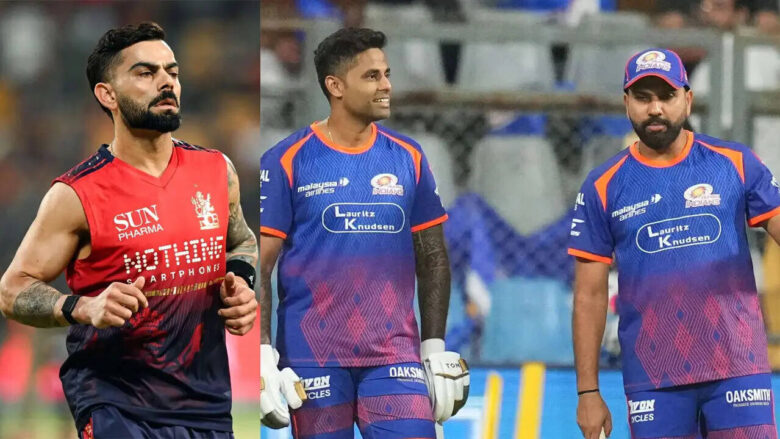
Former India batter and cricket analyst Sanjay Manjrekar highlighted a stark contrast in the physical conditioning of top Indian cricketers, suggesting that Virat Kohli extended his career peak through elite fitness, while Rohit Sharma and Suryakumar Yadav compromised their longevity by failing to meet those exact standards.
Related cricket updates: Sanjay Manjrekar Criticizes Rohit Sharma and Virat Kohli Comparison in Test Cricket, Sanjay Manjrekar Slams Rohit Sharma's Fitness After Test Cricket Retirement and Anil Kumble: Sanju Samson is a Blend of Kohli and Rohit.
IPL 2026 data links: IPL 2026 data hub, IPL 2026 points table, IPL 2026 Orange Cap, Virat Kohli, Ishan Kishan, Jos Buttler, Sanju Samson, Ajinkya Rahane.
Speaking on the Sportstar Insight Edge Podcast, Manjrekar emphasized that sustained success in T20 cricket beyond the age of 30 demands rigorous physical discipline. He pointed to Kohli’s continued performance in the format as direct evidence of this approach.
The Impact of Conditioning on Batting Performance
Manjrekar linked Kohli’s cross-format consistency to his proactive approach to physical health. “Take a leaf out of Virat Kohli’s book,” Manjrekar stated. “Virat is not in his early 30s and he had tough times in T20 cricket, but look at him this season. And what is the one difference between Rohit Sharma, Suryakumar Yadav and Virat Kohli’s fitness?”
According to the former batter, the physical demands of modern cricket punish players who drop their conditioning levels. He argued that Rohit Sharma made his career trajectory more difficult by not prioritizing his fitness to the same extreme degree as Virat Kohli.
Suryakumar Yadav’s Form and Hand-Eye Coordination
Addressing the fluctuating form of Suryakumar Yadav, Manjrekar noted that age and suboptimal fitness can directly degrade a batter’s hand-eye coordination. Yadav, known for his unconventional shot-making behind square, relies heavily on rapid reflex actions and core strength.
“He and Jos Buttler ruled T20 batting,” Manjrekar explained, referencing Yadav’s time atop the ICC T20I batting rankings. “But then this sudden drop of form came. The consistency of brilliance was followed by this consistent failure.”
Manjrekar stated the mental aspect of Yadav’s game remains intact, but his physical execution requires attention. If appointed as his personal coach, Manjrekar said his primary objective would be making the 34-year-old batter stronger and lighter on his feet.
Career T20I Statistics Comparison
To contextualize the achievements of these top-order batters, their overall T20 International statistics reflect their dominance in the format.
| Player | T20I Matches | Runs | Batting Average | Strike Rate |
|---|---|---|---|---|
| Virat Kohli | 125 | 4,188 | 48.69 | 137.04 |
| Rohit Sharma | 159 | 4,231 | 32.05 | 140.89 |
| Suryakumar Yadav | 74 | 2,544 | 42.40 | 169.48 |
Key Takeaways for Modern Cricketers
Manjrekar’s analysis provides a clear directive for active players navigating the high-intensity schedule of international cricket and the Indian Premier League (IPL):
- Physical Benchmarks: Players entering their 30s must increase their physical training to offset natural athletic decline.
- Reflex Maintenance: Batters relying on unconventional shot-making require peak physical conditioning to maintain the necessary hand-eye coordination.
- Career Longevity: Extreme fitness protocols directly correlate with prolonged success in shorter formats.