
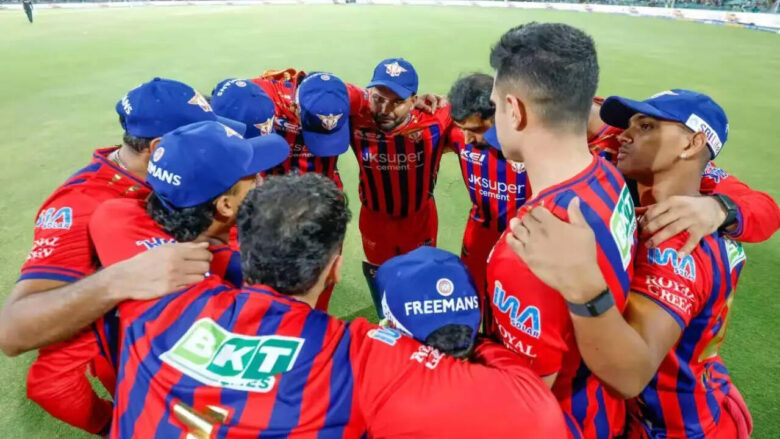
Bottom of the Table: How the Lucknow Super Giants Unraveled in IPL 2026
Since joining the Indian Premier League (IPL), the Lucknow Super Giants (LSG) consistently entered new campaigns with high expectations. However, the 2026 season proved to be an unmitigated disaster for a franchise built on massive investments, culminating in a last-place finish and the dreaded wooden spoon.
Related cricket updates: LSG IPL 2026 Review: Last Place Finish & Roster Failures, KL Rahul to Replace Rishabh Pant in 2026 T20 World Cup? Astrologer Predicts Major Shake-Up and IND vs ENG Test Series: Rishabh Pant on Ahmedabad Tragedy and Team India’s Resolve.
IPL 2026 data links: IPL 2026 data hub, IPL 2026 points table, IPL 2026 Orange Cap, IPL 2026 Purple Cap, Vaibhav Sooryavanshi, Shubman Gill, Ishan Kishan, Mitchell Marsh.
The final blow to a decaying season landed at home in Lucknow during Match 68. Shreyas Iyer delivered a brutal, unbeaten maiden IPL century, powering the Punjab Kings (PBKS) to a crushing 7-wicket victory with two full overs to spare. For LSG, this was not just another loss; it was a microscopic reflection of their entire year. The team flashed massive potential early, only to see the bowling unit totally unravel under pressure.
The Heavy Price of the Marquee Core
Management made headlines by securing Rishabh Pant for a record-breaking Rs 27 crore, positioning him as the captain and tactical anchor. Ultimately, the monumental auction tag became a burden rather than a blessing. Tasked with opening the innings, navigating the middle order, and leading the squad, Pant’s natural flair was stifled by tactical responsibilities.
| Player | Matches | Key Stat | Average |
|---|---|---|---|
| Rishabh Pant | 14 | 312 runs | 28.36 |
| Nicholas Pooran | 14 | 234 runs | 18.00 |
| Prince Yadav | 14 | 16 wickets | N/A |
While overseas stars like Mitchell Marsh and Josh Inglis performed efficiently at the top of the order, the rest of the hitting core vanished. Nicholas Pooran suffered a catastrophic drop in form, epitomized by his two-ball duck against Punjab in the final game. According to historical match data from ESPNcricinfo, teams require reliable power-hitting in the death overs to secure playoff berths—an area where LSG completely failed.
Missing Pieces and Injury Disruptions
Director of Cricket Tom Moody openly admitted that losing Wanindu Hasaranga before the season completely disrupted the team’s structural blueprint. Hasaranga was expected to provide mystery spin during the middle overs and vital lower-order batting depth at number eight. Without him, the middle overs constantly leaked runs.
Apart from Prince Yadav, who managed 16 wickets across 14 matches, key domestic options struggled with consistency and fitness. This forced veterans like Mohammed Shami to shoulder too heavy a workload. Under-firing domestic stars, including Avesh Khan, Digvesh Rathi, and Shardul Thakur, resulted in a bowling attack that lacked teeth in high-pressure situations.
The Collapse of the Ekana Fortress
In previous iterations, the slow, gripping nature of the pitch at Ekana Stadium made Lucknow a nightmare destination for traveling teams. In 2026, that home advantage evaporated entirely. LSG managed just a handful of wins in front of their home crowd, dropping critical matches to the Delhi Capitals, Gujarat Titans, Kolkata Knight Riders, and Punjab Kings.
Traveling brought no relief. After early away victories against Sunrisers Hyderabad and KKR, LSG suffered heavy defeats in Chennai, Mumbai, and Jaipur. Official tournament standings and venue statistics can be viewed on the BCCI official website.
How LSG Can Become a Contender in 2027
With 2027 serving as a crucial bridge year before the massive 2028 Mega Auction, LSG’s path forward requires precise, targeted adjustments rather than wholesale panic:
- Fix the middle-order engine: Target reliable, spin-dominant domestic batters via the mini-auction or trade windows to prevent middle-overs collapses.
- Rebuild the spin philosophy: Recapturing a high-quality wrist-spinner or a mystery option to fill the void left by Hasaranga is non-negotiable to restore Ekana’s fortress status.
- Evaluate captaincy demands: Management must decide if they need to unburden Rishabh Pant by bringing in a different leadership voice, allowing him to focus strictly on wicketkeeping and aggressive batting.
- Shed underperforming baggage: Free up luxury purse space by making cutthroat decisions on highly paid international stars who failed to provide tangible returns.
LSG’s current blueprint relies too heavily on individual brilliance rather than cohesive team structure. By shifting toward reliable accumulators who can protect the middle overs, the franchise can allow their impact hitters to flourish and climb out of the IPL basement in 2027.