
The Anatomy of IPL Run Chases: How Powerplay Strikes and Roster Limits Define T20 Success
The 2024 Indian Premier League (IPL) season fundamentally altered expectations for T20 batting, forcing franchises to completely rethink their fast-bowling strategies. With totals routinely breaching the 250-run mark, the margin for error for pace attacks has vanished. As teams prepare for future cycles, including Delhi Capitals bringing in Munaf Patel as their new bowling coach, the focus has shifted entirely to powerplay efficiency and overseas player management.
Related cricket updates: Ashutosh Sharma: The Powerplay Dynamo Delhi Capitals Should Promote to Opener for IPL Glory, Babar Azam Reveals Why Pakistan Lost: Bowling & Fielding! and Master IPL Betting Strategies: Unleash Your Full Potential Now.
IPL 2026 data links: IPL 2026 data hub, IPL 2026 points table, IPL 2026 Orange Cap, IPL 2026 Purple Cap, Ishan Kishan, Sanju Samson, Ajinkya Rahane, Nitish Kumar Reddy.
The Powerplay Mandate: Defending Massive Totals
During the 2024 season, the vulnerability of bowling attacks was exposed when Punjab Kings completed a historic run chase against Kolkata Knight Riders. KKR posted a daunting 261/6 at Eden Gardens, a total that previously guaranteed victory. However, PBKS chased down the target with eight balls to spare, setting a new men’s T20 world record.
| Team | Score | Key Performer |
|---|---|---|
| Kolkata Knight Riders | 261/6 (20 overs) | Phil Salt (75 off 37) |
| Punjab Kings | 262/2 (18.4 overs) | Jonny Bairstow (108* off 48) |
This historic match underscored a tactical reality: defending high totals requires early breakthroughs. When a bowling unit features a primary strike bowler operating effectively in the first six overs, scoring rates drop significantly. Conversely, failing to disrupt the opening partnership allows batting sides to chase targets in excess of 220 with calculated aggression. Mitchell Starc eventually anchored KKR’s championship run by delivering early wickets during the playoffs, demonstrating the absolute necessity of a frontline left-arm pacer.
Injury Protocols and the Fast Bowling Attrition Rate
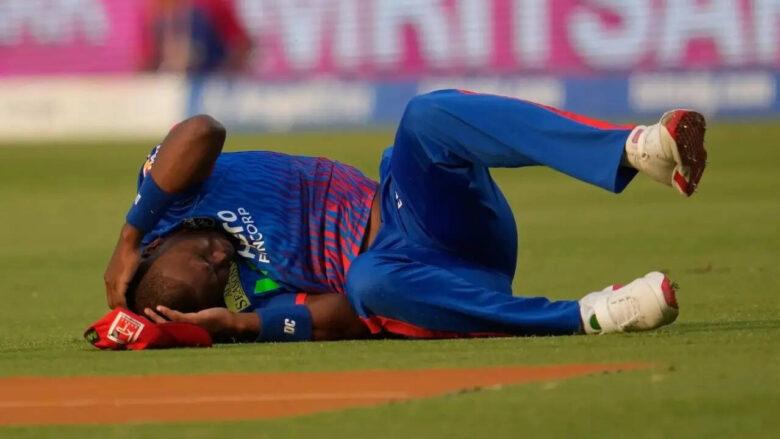
Player availability often dictates a team’s ceiling in a two-month tournament. Delhi Capitals experienced this directly when South African quick Lungi Ngidi was ruled out of the 2024 campaign with a lower back injury, leading the franchise to sign Jake Fraser-McGurk. Furthermore, mid-match injuries require rapid strategic shifts.
The Board of Control for Cricket in India (BCCI) mandates comprehensive medical evaluations for concussions. If a player suffers a head injury on the field, they must undergo mandatory rest periods, and a concussion substitute must be a like-for-like replacement approved by the match referee. Maintaining a deep fast-bowling bench remains essential.
Navigating the Four-Overseas Player Limit
Franchises constantly face the mathematical challenge of the IPL’s international player quota. Managing stars requires ruthless pragmatism, as teams are permitted a maximum of four foreign players in the starting XI. This restriction forces difficult selection decisions:
- Top-Order Firepower vs. Pace Reserves: Teams must decide whether to field an overseas opener or deploy an additional foreign fast bowler to control the death overs.
- Impact Player Dynamics: The Impact Player rule allows teams to substitute an Indian player to bolster batting or bowling, but replacing an overseas player is only permitted if fewer than four foreigners started the match.
- Condition-Specific Selections: On turning pitches, an overseas spinner might be sidelined in favor of an extra overseas middle-order batter, fundamentally changing the team’s defensive structure.
If a primary overseas batter sustains an injury, management cannot simply insert an international fast bowler without upsetting the team’s structural balance. Coaches weigh the immediate requirement for a specialist opener against the overall fast-bowling depth.
The Road Ahead for IPL Franchises
As franchises adapt to the hyper-aggressive batting trends established in 2024, the blueprint for T20 success is clear. Teams must prioritize specialist powerplay wicket-takers while managing the workloads of their express pacers. Furthermore, utilizing the overseas quota to directly counter specific match conditions will dictate future championship runs. The upcoming seasons will test the tactical acumen of coaching staffs across the league as they navigate these rigid parameters.