
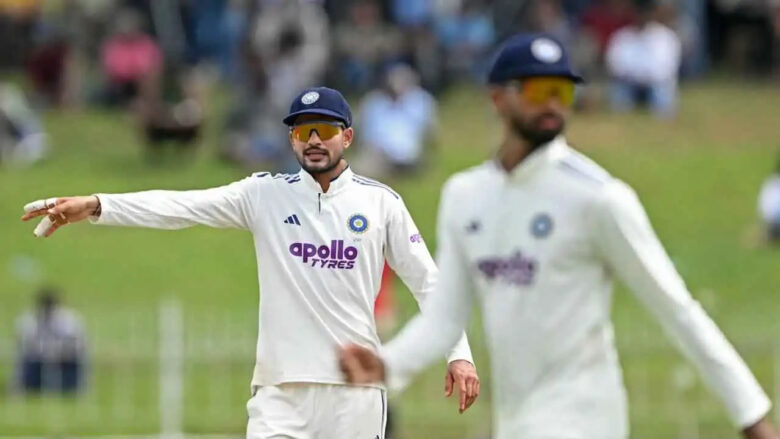
Shubman Gill acknowledged the frustration of Test captaincy after India settled for a draw against Sri Lanka in Colombo despite being well placed to push for victory. India won the series after recording a comprehensive victory in Galle, but the Colombo result left the team without the additional World Test Championship points Gill had targeted.
Related cricket updates: Shubman Gill Reflects on Gujarat Titans' IPL 2025 Exit After Eliminator Loss to Mumbai Indians, India vs England 1st Test: Shubman Gill Reflects on Dropped Catches and Collapse and Shubman Gill T20I Captaincy Unlikely: Aakash Chopra.
IPL 2026 data links: IPL 2026 data hub, IPL 2026 points table, IPL 2026 Orange Cap, IPL 2026 Purple Cap, Vaibhav Sooryavanshi, Shubman Gill, Virat Kohli, Abhishek Sharma.
The India captain said difficult results can prompt questions about tactical calls, including the decision to enforce the follow-on. Gill maintained that he had made the best choices available in the moment and that India continued searching for a breakthrough as Sri Lanka resisted.
“It gets very frustrating,” Gill said. “Did I make the best decision in that moment? Yes, I did. Then you can’t do anything about it. You have to keep trying your best, and I think we did that.” Gill’s comments were reported by the Times of India.
Sri Lanka’s lower order tests India’s plans
Sri Lanka’s lower order, including Sonal Dinusha, denied India the wickets required to force a result in Colombo. Gill moved between fielding positions, consulted head coach Gautam Gambhir and encouraged his players as the match moved beyond India’s control.
Gill declined to blame individual players for India’s inability to dismiss the Sri Lankan tail quickly. The captain said the team maintained its intensity and praised the workload carried by the spinners, who bowled long spells in demanding heat while India spent three days in the field.
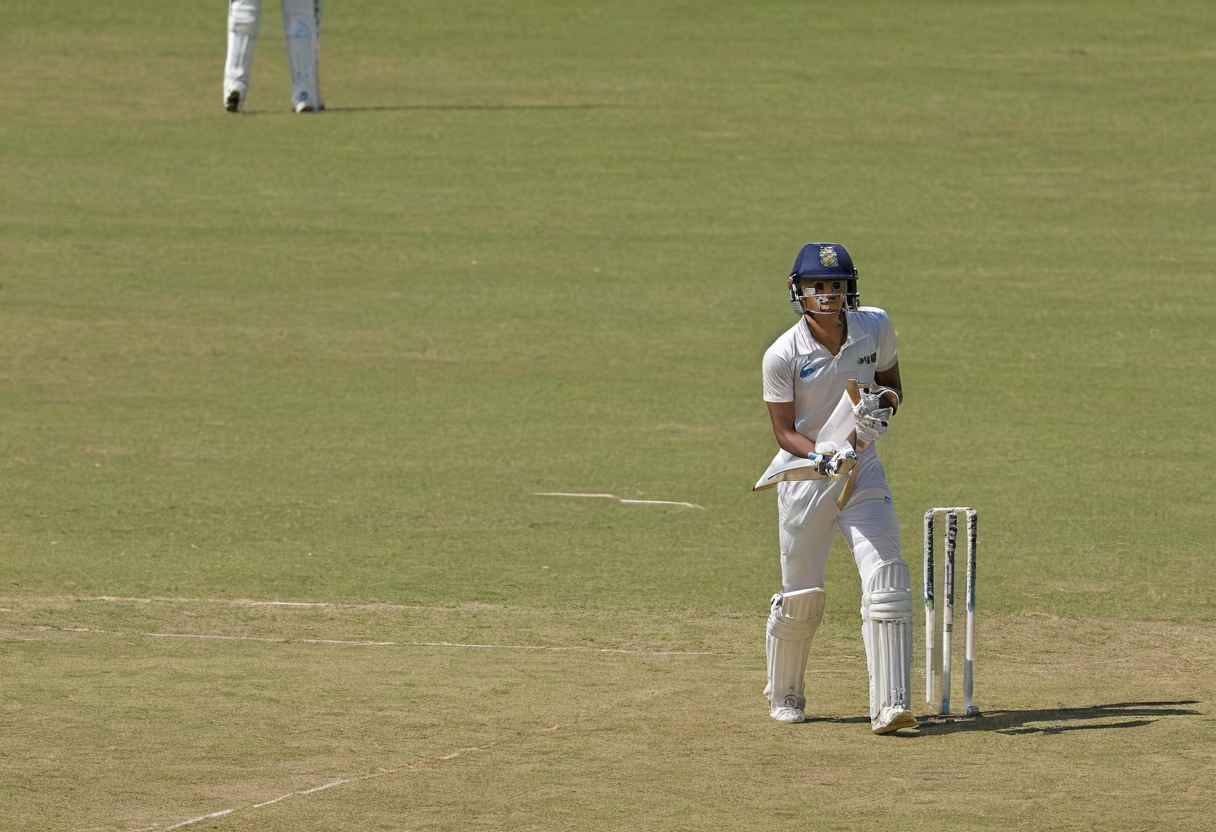
Supplemental editorial cricket visual for Shubman Gill reflects on captaincy frustration after Colombo draw.
“In terms of effort, I would say 10 out of 10 for the effort and the intent,” Gill said. The captain described the match as a learning experience and accepted that plans do not always produce the intended outcome.
Slow turn shapes Gill’s defensive field settings
The Colombo pitch produced turn without consistently bringing bowled and leg-before-wicket dismissals into play, according to Gill, which influenced India’s use of spread fields and boundary protection against the sweep.
India frequently used a mixture of close catchers and deeper fielders while Sri Lanka’s batters swept, advanced down the pitch and rotated the strike. Gill said the presence of left-handed and right-handed batters also made it difficult to control one side of the field without leaving scoring options elsewhere.
Gill argued that slow turn made batting easier because Sri Lanka’s batters did not have to defend against every conventional mode of dismissal. India therefore needed batters to make errors while still protecting against attacking shots, leading to the repeated use of in-and-out fields.
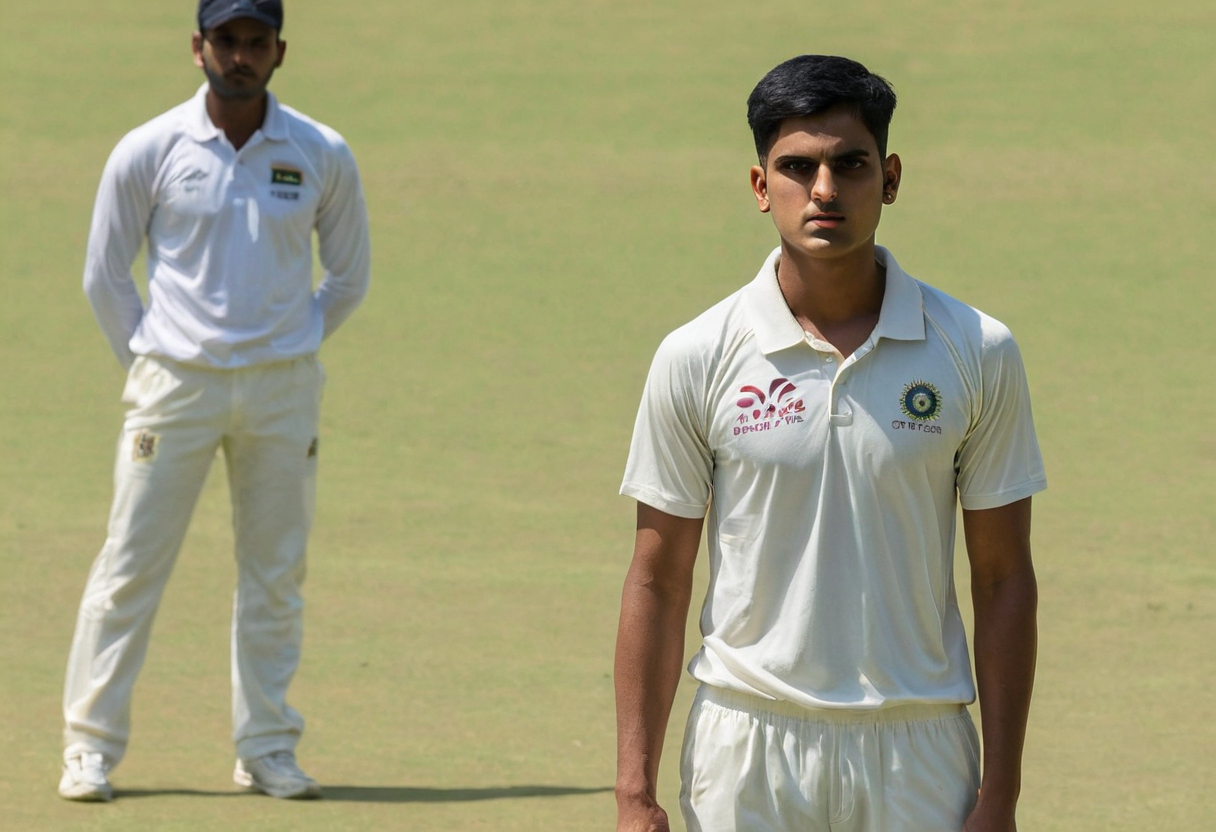
Supplemental editorial cricket visual for Shubman Gill reflects on captaincy frustration after Colombo draw.
World Test Championship remains India’s priority
India’s World Test Championship qualification remains Gill’s stated objective, with the captain identifying the forthcoming New Zealand series and the later Border-Gavaskar Trophy against Australia as important assignments.
Gill said India still had a good chance of reaching the World Test Championship final if the team performed well in New Zealand and entered the Australia series needing a series victory. The captain also expressed confidence in India’s batting and in the bowling unit’s ability to take 20 wickets.
Gill identified consistent first-innings and match totals of 350 to 400 as a benchmark that could keep India competitive in Tests. The captain said India’s recent batting displays had provided confidence, while the Colombo draw reinforced the need to convert strong positions into results.
India now has time to recover from the physical demands of the Tests in Galle and Colombo before preparing for the New Zealand tour. Player availability will remain relevant when the selectors meet to choose the squad for India’s next Test assignment.
Related cricket reading on IPL Bet Online
- Shubman Gill backs Manav Suthar after 10-wicket Galle Test
- India reach 460/9 after Sri Lanka fight back in rain-hit Galle Test
- India Take Control After Pace-Heavy 14-Wicket Day in Galle
- Suthar and Jadeja share seven wickets as India dismiss Sri Lanka for 284
- India beat Zimbabwe by 90 runs for Shreyas Iyer's first series win as captain
- India to tour Sri Lanka for two Tests in August
- Auqib Nabi earns maiden India Test call-up for Sri Lanka tour
- India face follow-on race after Sri Lanka resist in Colombo