
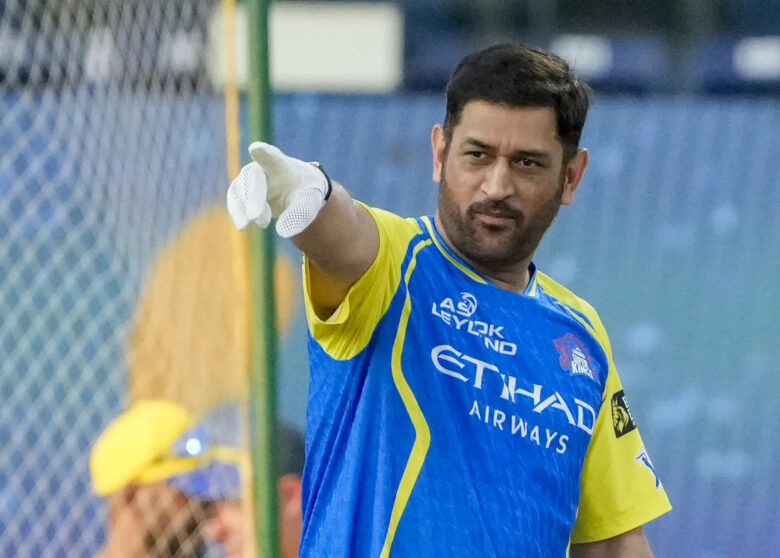
Sanjay Manjrekar Criticizes CSK Management Over Ruturaj Gaikwad’s Batting Slump in IPL 2026
Chennai Super Kings (CSK) are facing a difficult start to their Indian Premier League 2026 campaign. With two victories in their first six fixtures, the five-time champions currently sit seventh on the points table. The slow start has amplified scrutiny on captain Ruturaj Gaikwad, whose individual batting performances have declined.
Related cricket updates: Jasprit Bumrah Wicketless: MI Bowling Struggles in IPL 2026, Justin Langer Backs Rishabh Pant Amid LSG IPL 2026 Struggles and KKR IPL 2026 Struggles: Pietersen Tips McCullum Return.
IPL 2026 data links: IPL 2026 data hub, IPL 2026 points table, IPL 2026 Orange Cap, Ishan Kishan, Sanju Samson, Ruturaj Gaikwad, Ajinkya Rahane, Nitish Kumar Reddy.
Former Indian cricketer Sanjay Manjrekar has defended Gaikwad, directing the blame toward the CSK franchise owners and management. Speaking on the Sportstar Insight Edge podcast, Manjrekar argued that external pressures surrounding MS Dhoni have negatively impacted the current captain.
Ruturaj Gaikwad’s Statistical Drop in IPL 2026
Before assuming the captaincy full-time, Gaikwad consistently anchored the top of the order. In the current season, his offensive output has dropped.
| Player | Innings | Runs | Average | Strike Rate |
|---|---|---|---|---|
| Ruturaj Gaikwad | 6 | 82 | 13.67 | 112.33 |
The MS Dhoni Factor and Fan Sycophancy
Dhoni is sidelined for the IPL 2026 season due to a calf strain sustained ahead of the tournament. Despite his physical absence from the playing XI, his influence remains a focal point for the franchise. Manjrekar stated the management handled the leadership transition poorly.
“This blame I am going to put at the doorstep of the owners and people who make the big decisions,” Manjrekar said. “Gaikwad, before he was captain, was phenomenal at the top of the order.”
Manjrekar pointed to the intense fan culture surrounding the former Indian captain as a complicating factor. He described the environment as a form of sycophancy that distracts from logical cricketing decisions.
“There isn’t just a fan following of Dhoni, there is sycophancy around it,” Manjrekar added. He recalled a past incident where he faced severe backlash for stating Dhoni was short of his crease during a close run-out call, highlighting how emotional attachments cloud objective analysis.
Franchise Strategy: Living in the Past
The critique extended beyond individual player management to overall franchise strategy. Manjrekar compared the Chennai Super Kings to the Mumbai Indians, noting that both organizations frequently prioritize emotional connections with established stars over objective squad building.
According to Manjrekar, successful T20 franchises must adapt to modern metrics:
- Over-reliance on past icons: Franchises retain veteran players based on brand value rather than current performance data.
- Delayed leadership transitions: Waiting too long to empower new captains creates instability in the dressing room.
- Misplaced media hype: Celebrating brief cameos late in the innings masks structural weaknesses in the batting order.
Manjrekar dismissed the idea that a potential return by Dhoni would ease the pressure on Gaikwad. He pointed out that Dhoni’s late-career role, often facing just three or four deliveries, is no longer a viable long-term strategy for a competitive T20 team. He noted the broadcast coverage often exaggerated the impact of these short innings.
“It is like living in the past a little bit,” Manjrekar concluded. “It is just about getting guys who are in their prime in T20 cricket. It is a modern-day format, so it is best to be current with everything that you do with your team.”
For verified player statistics and tournament standings, fans can consult ESPNcricinfo and the official BCCI portal.