
BCCI Explains Decision to Award IPL Final to Ahmedabad Amid ICC Meeting and Logistics
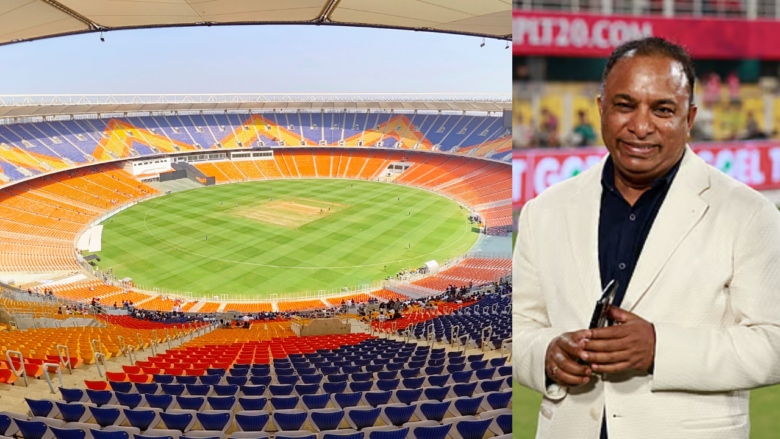
The Board of Control for Cricket in India (BCCI) has outlined the strategic and logistical variables that led to selecting Ahmedabad’s Narendra Modi Stadium for the upcoming Indian Premier League (IPL) final on May 31. BCCI Joint Secretary Devajit Saikia indicated that a concurrent global cricket administration meeting, venue revenue potential, and regional weather patterns drove the decision over Bengaluru’s M. Chinnaswamy Stadium.
Related cricket updates: BCCI Shifts IPL 2026 Final from Bengaluru to Ahmedabad, WTC Final: Australia, South Africa Pay Tribute to Ahmedabad Plane Crash Victims and Cricket World Cup 2023: Who Will Clinch the Semi-Final Spots?.
IPL 2026 data links: IPL 2026 data hub, IPL 2026 points table, IPL 2026 Purple Cap, Ishan Kishan, Sanju Samson, Finn Allen, Ajinkya Rahane, Rishabh Pant.
ICC Meeting Relocated to Ahmedabad
A primary factor in the venue selection is an upcoming International Cricket Council (ICC) meeting. Originally scheduled for Doha, Qatar, from March 25-27, the summit was postponed due to geopolitical conflicts in the Middle East involving the US, Israel, and Iran.
Saikia confirmed that foreign delegates will convene in Gujarat during the championship weekend. “The meeting will run concurrently with the IPL final,” Saikia stated, making Ahmedabad the practical choice to host international administrators alongside the marquee match.
Revenue Maximization and Stadium Capacity
Unlike the IPL group stage matches, which are managed by regional state associations, the BCCI takes direct control of playoff operations and retains the ticket revenue. The vast capacity difference between Indian venues directly impacts the board’s financial returns.
| Stadium | Location | Estimated Capacity | Playoff Role |
|---|---|---|---|
| Narendra Modi Stadium | Ahmedabad, Gujarat | 132,000 | Final (May 31) |
| M. Chinnaswamy Stadium | Bengaluru, Karnataka | 32,000 | None |
| HPCA Stadium | Dharamshala, Himachal Pradesh | 23,000 | Qualifier 1 (May 26) |
| Maharaja Yadavindra Singh Stadium | New Chandigarh, Punjab | 38,000 | Eliminator (May 27) & Qualifier 2 (May 29) |
Weather Patterns and Logistical Risk
BCCI planners reviewed historical weather data when assigning playoff locations. Late May introduces a high risk of pre-monsoon showers in southern India, specifically affecting Bengaluru. Weather models indicated Ahmedabad provided a stable climate for the May 31 fixture.
“We were contemplating if the other venues in India could also stage a playoff match, but then the likelihood of pre-monsoon showers looms large at that time, and that factor discouraged us,” Saikia noted. The board ultimately determined Ahmedabad offered the highest logistical reliability.
Refuting Political Allegations
The venue distribution sparked allegations that Bengaluru was bypassed because Karnataka is governed by the Indian National Congress. ESPNcricinfo and other media outlets frequently monitor the intersection of cricket administration and regional politics in India.
BCCI sources quickly dismissed these claims by pointing to the playoff schedule allocation. Both Punjab and Himachal Pradesh are governed by opposition parties, yet their venues were assigned three of the four playoff matches.
- Qualifier 1 (May 26): Hosted in Dharamshala, Himachal Pradesh (Congress-led).
- Eliminator (May 27) & Qualifier 2 (May 29): Hosted in New Chandigarh, Punjab (AAP-led).
By placing three high-profile playoff games in opposition-ruled states, the BCCI maintains that operational logistics, weather forecasts, and revenue projections dictate scheduling rather than political affiliations.