
Workload Management vs. Franchise Rights: Inside the Cameron Green KKR Bowling Dispute
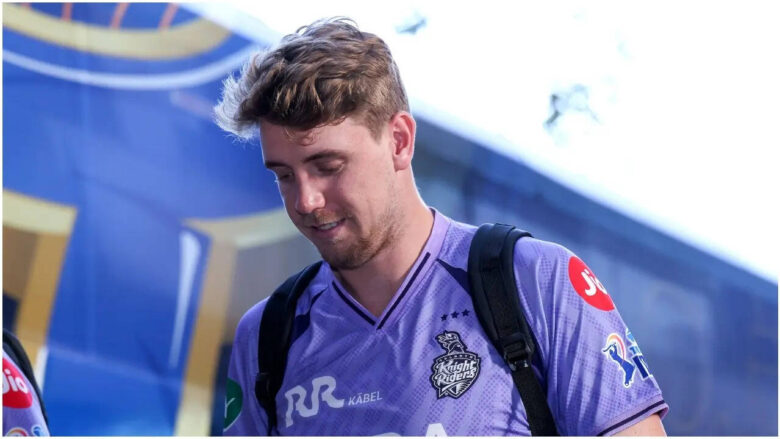
Kolkata Knight Riders acquired Cameron Green for a record INR 25.20 crore at the IPL 2026 auctions with expectations of deploying a premium all-rounder. Instead, a medical mandate from Cricket Australia has restricted his bowling capabilities, sparking an industry debate over franchise rights and international workload management.
Following KKR’s opening defeat to the Mumbai Indians, captain Ajinkya Rahane directed questions regarding Green’s absence from the bowling attack straight to the Australian cricket board. Cricket Australia responded swiftly, clarifying that Green is recovering from a lower back injury and requires a strictly monitored return to the bowling crease. The board maintained that KKR management received formal notification of these restrictions before the tournament began.
The Impact of Auction Classifications
Green underwent surgery for a stress fracture in his lower back in 2024. During the IPL auction, he appeared in the batter category rather than the all-rounder pool. While Green later attributed this to a clerical error by his management and indicated his intent to bowl, his placement in the opening set of players maximized his bidding price.
With full purses, franchises aggressively pursued the Western Australian, driving his price to historic heights. Had organizers classified him accurately as an injured all-rounder in a later set, market dynamics dictate his final price would have been significantly lower.
Who Controls IPL Player Workloads?
Despite the massive financial outlay from IPL franchises, national boards retain ultimate authority over their centrally contracted players. Workload management protocols dictate that franchises must comply with national directives to prevent long-term player injuries. This power dynamic is standard practice recognized by the International Cricket Council.
- Australian national players like Mitchell Marsh have previously competed in the Indian Premier League solely as batters due to medical restrictions.
- The Sri Lanka Cricket board regularly delays No Objection Certificates for contracted players until they pass independent fitness evaluations.
- The BCCI maintains similar authority over Indian national players across all franchises to monitor tournament fatigue.
The Case for Prorated Franchise Salaries
The situation highlights a structural issue in franchise cricket contracts. When a team pays a premium for a multi-discipline athlete, losing half of that player’s skill set compromises team balance and salary cap efficiency.
Veteran off-spinner R Ashwin recently questioned the current contract structure, suggesting franchises should have the right to reduce compensation if an all-rounder fails to meet basic bowling quotas. Former player Aakash Chopra echoed this sentiment, arguing that paying an all-rounder premium for a pure batter warrants a prorated refund.
Cameron Green IPL 2026 Status
| Category | Details |
|---|---|
| Auction Price | INR 25.20 Crore |
| Role Acquired | Pure Batter |
| Role Expected | Pace All-Rounder |
| Bowling Status | Restricted for 10 to 12 days |
For KKR, the immediate challenge remains defensive balance. Operating with a depleted pace attack due to multiple injuries, Rahane lacks the flexibility an all-rounder provides. Until Cricket Australia clears Green for a full workload, KKR must navigate their season with a high-priced specialist batter.