
Ten Doeschate Alarmed by India’s Struggle Against Off-Spin Ahead of Super 8
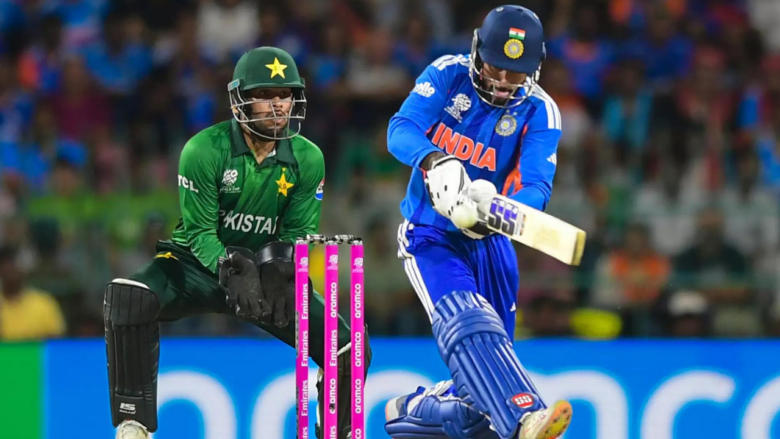
AHMEDABAD – Despite an unbeaten run in the league phase of the World Cup, the Indian cricket team faces a tactical crisis entering the Super 8 stage. Assistant coach Ryan ten Doeschate has identified a critical vulnerability in the batting lineup: an inability to dominate finger spin, exacerbated by an overabundance of left-handed batters.
Data from the group stages reveals that opposition captains are successfully exploiting India’s heavy left-handed top and middle order using off-spinners. With the Super 8 opener against South Africa approaching, the coaching staff is scrambling to address a flaw that has seen 15 Indian wickets fall to spin in just four matches.
The Left-Hander Paradox
India’s current squad composition presents a unique strategic hurdle. The top three—Abhishek Sharma, Ishan Kishan, and Tilak Varma—are all left-handed. The middle and lower-middle order continues this trend with Shivam Dube, Rinku Singh, and Axar Patel. While this offers variety against left-arm pace, it allows opposition teams to deploy off-spinners who turn the ball away from the bat, a trajectory that traditionally troubles southpaws.
Ten Doeschate acknowledged that Associate nations like the Netherlands and the USA utilized this matchup to stifle India’s scoring rate. “The Dutch guys took pace off the ball a lot of the time. And obviously, teams are bowling a lot of finger spin to us, with so many left-handers in our lineup,” ten Doeschate stated.
The form of opener Abhishek Sharma is a primary concern. The explosive batter has registered three consecutive ducks, increasing pressure on the middle order to stabilize innings against slower bowlers.
By The Numbers: India Against Spin
The statistical breakdown of India’s performance against spin in the current tournament highlights the severity of the issue. The run rate against slower bowlers hovers just above seven, a figure considered subpar for modern T20 standards.
| Metric | Tournament Statistic |
|---|---|
| Overs of Spin Faced | 42 Overs |
| Runs Scored | 315 Runs |
| Wickets Lost to Spin | 15 Wickets |
| Notable Spell Against India | Aryan Dutt (NED): 2/19 (4 overs) |
Super 8 Opponents Pose Major Threat
The timing of these struggles is precarious. India’s next opponent, South Africa, possesses a world-class spin attack perfectly suited to exploit this weakness. Captain Aiden Markram (off-spin) and Keshav Maharaj (left-arm orthodox) are expected to control the middle overs.
Additionally, the Group includes the West Indies and Zimbabwe, both of whom rely heavily on slow bowling:
- West Indies: Gudakesh Motie, Akeal Hosein, and Roston Chase form a potent trio capable of varying pace on slowing Caribbean surfaces.
- Zimbabwe: Sikandar Raza and Wellington Masakadza offer experienced spin options that can trouble aggressive batting lineups.
“If you take the combined figures, Pakistan bowled 14 overs of finger spin in the last game… it’s not a great number,” ten Doeschate noted, referencing recent analytics. “With the amount of finger spin we’re going to get in the next three games, it’s going to be important that we dominate that phase of the game.”
Venue Impact and Tactical Adjustments
The coaching staff believes the issue is compounded by venue dimensions and pitch conditions. Larger boundaries allow spinners to flight the ball without fear of mishits clearing the ropes, while surfaces offering “hold” neutralize India’s power-hitting game.
“The wickets we’ve played bilateral series on over the last 18 months have been really good batting tracks,” ten Doeschate explained. “Then, as soon as you come to a wicket that offers a bit of hold, it becomes a challenge. We need plans for wickets that do hold and where the boundaries are bigger.”
For official tournament schedules and squad details, visit the International Cricket Council (ICC) or the Board of Control for Cricket in India (BCCI).