
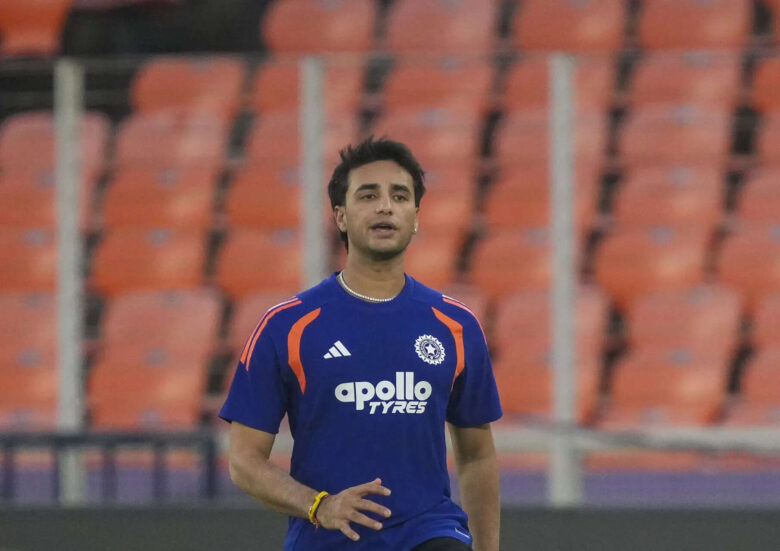
India vs Netherlands: Spotlight on Abhishek Sharma as Management Backs High-Risk Approach
AHMEDABAD: As the Indian cricket team arrived at the Narendra Modi Stadium for their final group stage match of the T20 World Cup against the Netherlands, the focus wasn’t on the qualification scenarios—a Super Eight berth is already secured—but on the form of explosive opener Abhishek Sharma.
Despite a string of low scores, including ducks against the USA and Pakistan, the team management under head coach Gautam Gambhir and captain Suryakumar Yadav remains committed to their aggressive batting template. The upcoming fixture serves as a crucial platform for the 24-year-old Punjab left-hander to regain confidence before the high-stakes Super Eight phase begins.
The Slump: High Risk, High Reward?
Abhishek Sharma’s recent outings have highlighted the volatility of India’s new ultra-aggressive strategy. Known for a menacing strike rate and the ability to dismantle bowling attacks in the Powerplay, Sharma has hit a rough patch at a critical juncture.
His recent form reading is concerning for fans, though the management insists it is a byproduct of the team’s tactical demands. A severe stomach infection also disrupted his rhythm between the tournament opener and the high-pressure game against Pakistan.
Abhishek Sharma: T20 Format Statistics
| Statistic | Value |
|---|---|
| Batting Average | 35.05 |
| Strike Rate | 193.29 |
| Recent Form (Last 7 Innings) | 4 Ducks |
Coaching Staff Calls for Calm
During the optional nets session on the eve of the match, Sharma spent significant time facing spinners Varun Chakravarthy and Washington Sundar. While his timing appeared rusty initially, batting coach Sitanshu Kotak emphasized that over-analysis could be detrimental.
“Last game he got out in the first over. One thing we definitely do is we don’t unnecessarily over-analyse,” Kotak told reporters. “He is someone who has his plans sorted. We discuss the opposition and their bowling strengths, but that is normal for everyone, not just Abhishek.”
Kotak further explained the team’s philosophy regarding the opener’s role:
- Impact over Volume: “In the T20 format, sometimes 30 runs in 10 balls are just as important as a long innings.”
- Accepting Failure: “This is a high-risk game. If we start stressing too much, players will be under unnecessary pressure.”
- Opponent Fear: “If teams are planning specifically for him, it’s a credit to Abhishek. It means they are concerned about what he can do.”
Strategic Outlook: The Gambhir Era
Under the leadership of Suryakumar Yadav and the mentorship of Gambhir, India has adopted a template where intent supersedes survival. This approach was evident in recent bilateral series successes but faces its sternest test in the World Cup environment.
While the team has shown flexibility—such as Suryakumar’s measured knock against the USA—the license for the top order remains clear: attack from ball one. For Sharma, the instruction is simple: see the ball, hit the ball.
Opponents like Pakistan have taken note. Following India’s victory, rival coaches admitted that stopping the Indian openers was a primary tactical focus. Kotak views this attention as a psychological advantage for India.
“Even in the last game, I don’t think anyone can plan to get him out at mid-on. He sat up and got out. That’s okay,” Kotak added. “He is in good form, has a clear mindset, and that is what matters for us.”
What’s Next?
India faces the Netherlands in Ahmedabad before moving to the Super Eight stage. A strong performance here would not only silence critics but also solidify the batting order ahead of tougher challenges against top-tier nations like South Africa.
For more updates on the tournament schedule and statistics, visit the official ICC website.