
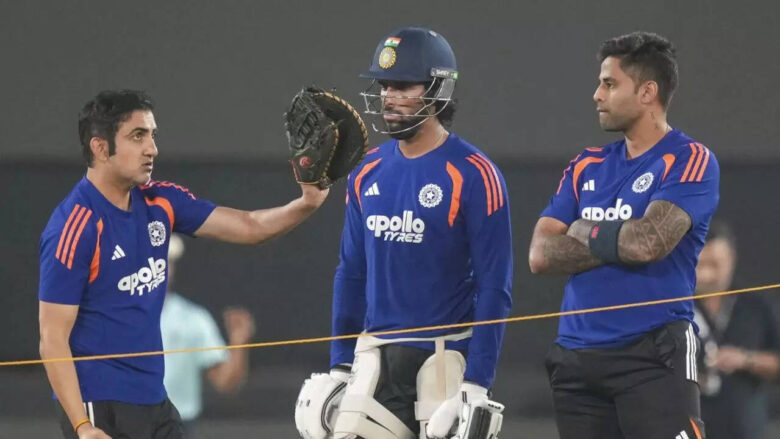
Super 8 Challenge: India Faces Battle-Hardened Opponents in Title Defence
NEW DELHI – The group stage of the T20 World Cup 2026 concluded with a dramatic shake-up of the established order, leaving defending champions India with a perilous path through the Super 8s. While the Men in Blue secured a comfortable passage from Group A, the pre-seeded draw has placed them in Group 1—a pool effectively serving as the tournament’s "Group of Death" featuring solely unbeaten group toppers.
India’s flawless run, characterized by a massive 61-run victory over arch-rivals Pakistan and a net run rate of +2.500, now counts for little. They join South Africa, West Indies, and the tournament’s Cinderella story, Zimbabwe, in a battle where only two can advance to the semi-finals. Conversely, Group 2 comprises the runners-up: New Zealand, England, Sri Lanka, and Pakistan.
Super 8 Group Composition
The rigidity of the pre-tournament seeding has created a stark disparity between the two Super 8 groups. Group 1 aggregates the tournament’s most dominant sides, while Group 2 offers a lifeline to teams that struggled for consistency in the opening round.
| Group | Teams | Qualification Status |
|---|---|---|
| Group 1 | India, South Africa, West Indies, Zimbabwe | All 1st Place (Unbeaten) |
| Group 2 | New Zealand, England, Sri Lanka, Pakistan | All 2nd Place |
The Abhishek Sharma Concern
While the bowling unit has looked sharp, India’s management faces a selection headache at the top of the order. Opener Abhishek Sharma, currently the No. 1 ranked T20I batter, is enduring a nightmare tournament. The 25-year-old has recorded three consecutive ducks, failing to score a single run in his debut ICC event.
Despite the statistical slump, the BCCI management has backed the aggressive left-hander. Reports from the camp suggest he is striking the ball cleanly in the nets. The hope is that Sharma can replicate the trajectory of Virat Kohli’s previous campaigns—overcoming early jitters to deliver in knockout games.
Fielding also remains a statistically significant worry. Data from the group stages indicates India has one of the lowest catch-efficiency rates among the remaining teams. Against power-hitting sides like the West Indies and South Africa, dropped chances could prove fatal.
Opponent Analysis & Schedule
vs South Africa (Feb 22, Ahmedabad)
India opens their Super 8 account on Sunday in a rematch of the 2024 final. The Proteas, led by an aggressive pace attack, have turned Ahmedabad into a fortress, playing three group games at the venue. They successfully defended a 200-plus score and won a double Super Over thriller against New Zealand at this ground.
While India defeated the Netherlands here, South Africa possesses a distinct advantage in acclimatization. The pitch has favored high scores, demanding that India’s misfiring top order finds rhythm immediately.
vs Zimbabwe (Chennai)
Zimbabwe enters the Super 8s as the tournament’s most dangerous disruptor. Having topped Group B and eliminated heavyweights Australia with a 23-run victory, the African nation is riding a wave of momentum. Their ability to chase 179 against Sri Lanka demonstrates batting depth that India cannot underestimate.
The shift to Chennai introduces spin-friendly conditions. While Zimbabwe must adjust to the new surface after playing in Sri Lanka, India’s familiarity with the Chepauk track should offer a tactical edge. However, Zimbabwe’s giant-killing form suggests this is no guaranteed two points.
vs West Indies (March 1, Kolkata)
The final Super 8 fixture could effectively be a quarter-final. The West Indies return to Eden Gardens—a venue where they have historically thrived and lifted the trophy. The Caribbean side has been clinical, utilizing their experience in Indian conditions to dominate Group C.
For detailed tournament statistics and official standings, visit the International Cricket Council (ICC) website or check real-time updates on ESPN Cricinfo.
The Road Ahead
India’s path to retaining the World Cup requires navigating three distinct challenges: the raw power of South Africa, the momentum of Zimbabwe, and the spin-proficiency of West Indies. With no margin for error in the "Group of Death," the Men in Blue must peak now or risk an early exit.