
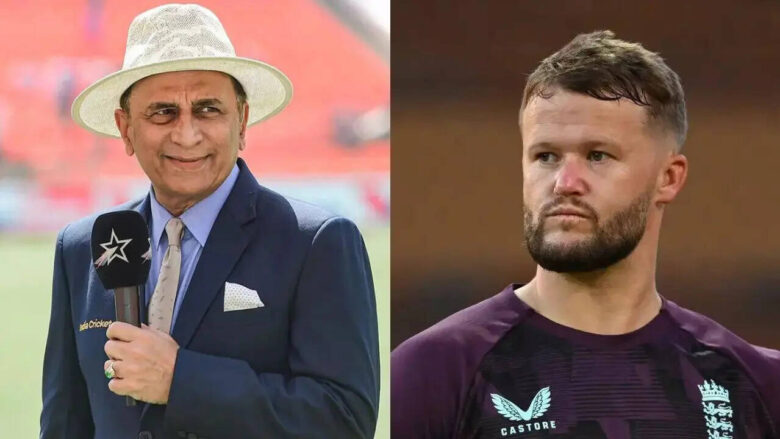
Sunil Gavaskar Demands Tougher IPL Pullout Penalties Following Ben Duckett’s Delhi Capitals Withdrawal
Former India captain Sunil Gavaskar has strongly criticized the current penalties for last-minute player withdrawals in the Indian Premier League (IPL), calling the existing two-year ban an ineffective deterrent. The comments come in the wake of England opener Ben Duckett’s decision to withdraw from the upcoming IPL 2025 season shortly after being purchased by the Delhi Capitals.
Duckett, acquired for INR 2 crore during the mega auction, opted out to prioritize his international commitments with England. This late exit has severely disrupted the Delhi Capitals’ roster planning and reignited ongoing debates regarding the accountability of overseas players in the tournament.
The Ineffectiveness of the Two-Year Ban
Under the revised official IPL regulations introduced by the Board of Control for Cricket in India (BCCI), an overseas player who registers for the auction, secures a contract, and subsequently withdraws without a valid medical certificate faces a mandatory two-year suspension from the league.
Gavaskar argues that this penalty fails to address the root issue. “It is a tough one. One can understand that he wants to focus on his England Test career,” Gavaskar stated in an interview. “What should be done is something for the BCCI to think about, because a two-year ban is obviously not working. You have to look at something that will have an impact. As long as it is not having an impact on the player and his chances of coming back to the IPL, it will not work.”
Recent Overseas Player Withdrawals
Late withdrawals by international stars have become a recurring challenge for IPL franchises, complicating squad balance and auction strategies. While the BCCI’s implementation of the two-year ban aimed to curb this trend, recent data suggests the policy requires reassessment.
| Player | Franchise | Season | Reason for Withdrawal |
|---|---|---|---|
| Ben Duckett | Delhi Capitals | 2025 | National Duty |
| Harry Brook | Delhi Capitals | 2024 | Personal Reasons |
| Mark Wood | Lucknow Super Giants | 2024 | Workload Management |
| Jason Roy | Kolkata Knight Riders | 2024 | Personal Reasons |
Player Priorities versus Franchise Investments
From the players’ perspective, balancing the financial incentives of franchise cricket with the prestige of international duty remains a complex calculation. Duckett defended his withdrawal as a necessary sacrifice for his Test career.
“Turning down a good chunk of money is a step in the right direction to show how much playing for England means to me,” Duckett explained.
While the IPL remains the most lucrative domestic T20 tournament globally, franchise owners and analysts argue that a player entering the auction signals a commitment to participate. According to ESPNcricinfo, repeated instances of roster instability force teams into unfavorable positions, often requiring them to sign replacement players from a limited pool of unsold talent.
Gavaskar’s intervention highlights a growing consensus among cricket administrators that the BCCI must explore alternative punitive measures. Potential solutions discussed by analysts include:
- Imposing heavier financial penalties on players or their home boards.
- Extending the ban duration beyond two years for non-medical withdrawals.
- Restricting the number of No Objection Certificates (NOCs) granted to frequent offenders.
As the IPL prepares for its next season, the debate over player availability and contract enforcement will likely force the league’s governing council to reevaluate its regulatory framework to protect franchise investments.