
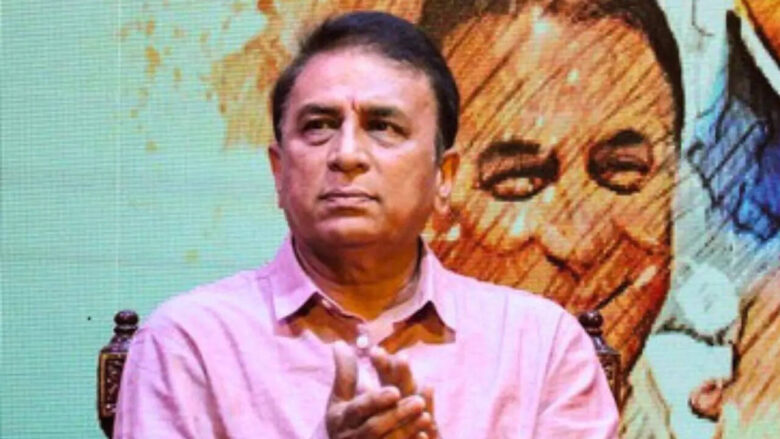
Sunil Gavaskar Calls for Stricter BCCI Action Against Prolonged IPL Match Durations
Former Indian cricket captain Sunil Gavaskar has publicly criticized the expanding duration of Indian Premier League (IPL) matches, urging the Board of Control for Cricket in India (BCCI) to strictly enforce time limits and restrict unauthorized personnel from the playing area. Despite existing over-rate penalties, T20 franchise games are frequently stretching past the four-hour mark, testing viewer engagement and broadcast schedules.
Related cricket updates: Azeem Rafiq Slams Sunil Gavaskar Over Abrar Ahmed Transfer, Sunil Gavaskar Slams Gautam Gambhir for Stealing Shreyas Iyer's IPL 2024 Credit and IPL Rule Change: BCCI Limits Match Squad Field Access to 16.
IPL 2026 data links: IPL 2026 data hub, IPL 2026 points table, IPL 2026 Orange Cap, IPL 2026 Purple Cap, Ishan Kishan, Sanju Samson, Ajinkya Rahane, Rishabh Pant.
The Issue of Slow Over-Rates and Field Congestion
A standard T20 innings should ideally conclude within 85 minutes, placing a full IPL match within a three-hour and 20-minute window, including innings breaks and strategic time-outs. However, Gavaskar highlighted that the frequent influx of reserve players and support staff onto the field for trivial reasons, such as delivering water near the boundary, significantly slows down the game.
Writing in his Mid-day column, Gavaskar stated, “Often, one sees the unnecessary sight of reserve players stepping onto the ground to give a bottle of water to a fielder near the boundary. That should not be allowed, as it effectively means more than 11 players on the field while play is on, even if it is between deliveries.”
Restoring the Sanctity of the Playing Field
Drawing on advice from late broadcasting legend Richie Benaud, Gavaskar emphasized that the cricket ground should remain restricted to active players and match officials. He proposed strict limitations on who can enter the field during the IPL’s designated strategic time-outs.
- Limit Personnel: Restrict time-out access to a maximum of two reserve players carrying drinks and two coaching staff members.
- Prevent Unnecessary Entry: Stop upcoming batters from walking onto the field during time-outs before their innings begins.
- Restrict All-Access Passes: Ensure committee members and officials with all-access accreditation remain strictly outside the boundary ropes.
Proposed Adjustments to Match Timings
To further combat slow match times, Gavaskar recommended altering the incoming batter allowance. Under current International Cricket Council (ICC) and IPL playing conditions, a new batter has two minutes to take strike or be ready to receive the next delivery. Gavaskar suggests cutting this time in half, noting that modern batters wait fully padded in the dugout.
Pace of Play: Current IPL Rules vs. Gavaskar’s Proposals
| Rule Parameter | Current IPL Regulation | Gavaskar’s Proposed Change |
|---|---|---|
| Incoming Batter Time Limit | 120 seconds (2 minutes) | 60 seconds (1 minute) |
| Time-Out Field Access | Unrestricted support staff entry | Strictly 2 reserve players and 2 coaches |
| Penalty for Delay | In-match fielding restrictions and captain fines | Imposition of penalty runs against the batting team after warnings |
With franchise cricket expanding globally, maintaining a strict pace of play is critical for broadcast viability. Data from ESPN Cricinfo frequently highlights the correlation between match delays and declining viewer retention during late-night broadcasts. Implementing strict run penalties, as Gavaskar suggests, could provide the definitive deterrent needed to keep IPL matches within their scheduled broadcast windows.