
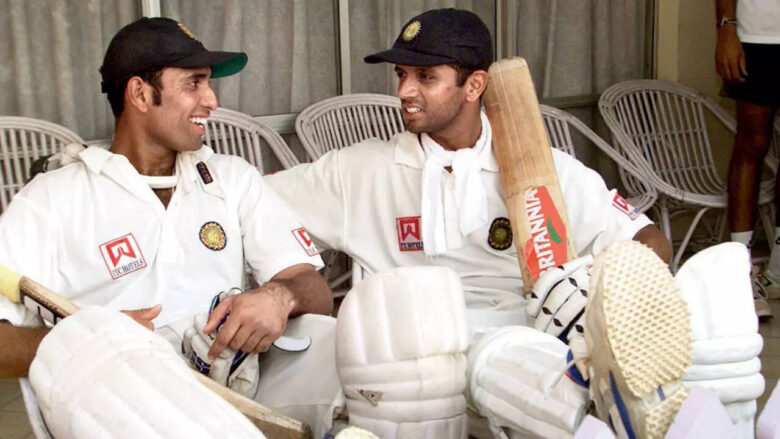
Rahul Dravid Opens Up on Historic 2001 Eden Gardens Partnership with VVS Laxman
In March 2001, the Indian cricket team authored a comeback that permanently altered the trajectory of the sport. Facing an Australian squad riding a 16-match winning streak, India trailed by 274 runs in the first innings at Eden Gardens and were forced to follow on. Rahul Dravid and VVS Laxman combined for a 376-run fifth-wicket partnership that secured a 171-run victory. In a recent reflection on this series-defining match, former India captain and coach Rahul Dravid dissected the tactical decisions and the mental pressure surrounding the 2001 Kolkata Test.
The Tactical Shift: Moving to Number Six
Dravid entered the Kolkata Test facing intense scrutiny. After managing low scores in his previous three innings, including a dismissal by Shane Warne in the first Test in Mumbai, Dravid was moved down the batting order. Head coach John Wright and captain Sourav Ganguly approached him with a proposal to elevate Laxman to the number three position.
“It was John Wright and Sourav Ganguly’s decision,” Dravid confirmed. “It seemed reasonable because Laxman had batted beautifully in the first innings. It made sense to put the guy who was in form up ahead of me. It did cross my mind whether we were overreacting, but the conversation was about putting pressure back on the Aussies. It worked out brilliantly.”
2001 Eden Gardens Match Statistics
| Team/Player | First Innings | Second Innings |
|---|---|---|
| Australia | 445 (S. Waugh 110) | 212 (M. Hayden 67) |
| India | 171 (V. Laxman 59) | 657/7d (V. Laxman 281, R. Dravid 180) |
| Harbhajan Singh | 7/123 (Hat-trick) | 6/73 |
The 376-Run Marathon with VVS Laxman
The core of India’s fightback rested on the 446-minute stand between Dravid and Laxman. Despite batting together for an entire day against a bowling attack featuring Glenn McGrath, Jason Gillespie, and Shane Warne, the pair engaged in minimal verbal communication. Dravid attributed their success to distinct individual routines and a shared history in domestic cricket.
Key elements of their crease management included:
- Individual Routines: Dravid utilized a two-tap bat grounding technique coupled with a breathing reset before each delivery.
- Pitch Marking: Laxman preferred drawing lines on the pitch and requesting bat taps from his partner, a habit Dravid occasionally ignored to elicit a reaction.
- Silent Synergy: The duo avoided lengthy discussions, relying on their history playing for the South Zone to maintain focus.
“We were not out-and-out big talkers in the middle,” Dravid noted. “Laxman was a fantastic player who did not get frazzled. When you bat alongside a player who has the skills to play all around the wicket, it gives you confidence.”
Overcoming Shane Warne and the Press Box Reaction
Scoring a century while facing Warne held significant weight for Dravid. Acknowledging Warne as an absolute legend, Dravid admitted he previously felt the leg-spinner had a psychological advantage over him. The 180-run knock served as a direct answer to critics.
Upon reaching his century, Dravid directed a visibly aggressive celebration toward the press box, a departure from his standard stoic demeanor. He attributed this to the immense pressure of securing his spot in the national side and unwarranted negativity surrounding the team.
“I had only gone three innings without scoring runs,” Dravid explained. “As a young man fighting for your career, you do not always have the maturity to fully understand the situation. It was a relief and an outlet for the pressure I was feeling. Whatever my reputation may be, I have always been human.”
The Ripple Effect: Follow-On Tactics and Team Stability
The 2001 Kolkata victory, documented thoroughly by the Board of Control for Cricket in India, fundamentally changed global Test match strategy. Prior to this match, captains routinely enforced the follow-on when securing a lead of 200 runs. Following India’s 657/7 declaration, teams became highly circumspect about forcing opponents to bat again, particularly in subcontinental conditions where late-match pitch deterioration favors the bowling side with a target to defend.
Beyond tactical shifts, the win stabilized the Indian dressing room during Wright’s early tenure as the first foreign head coach. The series victory provided breathing room, fostering an environment that eventually led to India winning overseas series consistently.
Dravid highlighted the complete team effort required for the historic win, specifically pointing to International Cricket Council Hall of Famer Sachin Tendulkar’s three late wickets, including Adam Gilchrist, and Venkatesh Prasad’s 42-run partnership with Laxman in the first innings.
“I have probably batted better in tougher situations,” Dravid concluded. “But in the context of everything that happened and what it did for Indian cricket, I would certainly say this match is high up there.”