
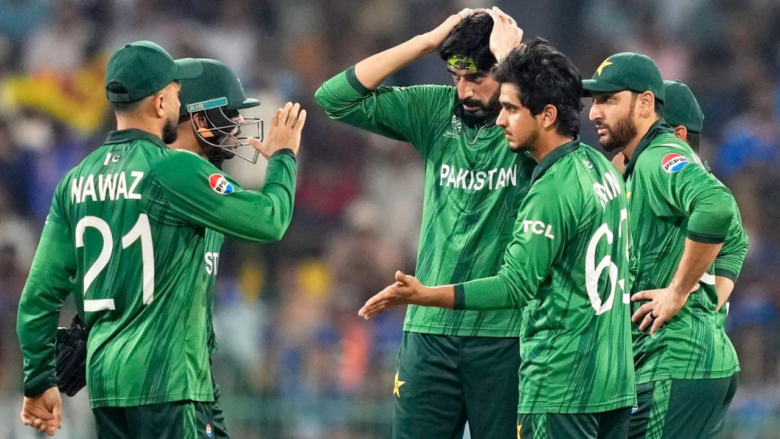
Pakistan’s Cricket Conundrum: A Crisis of Strategy, Not Just Skill
COLOMBO — The morning after a demoralizing 61-run defeat to India, the atmosphere at the Sinhalese Sports Club (SSC) in Colombo presented a jarring contradiction. Facing a must-win clash against Namibia to keep their Super Eight hopes alive, the Pakistan squad—led by Salman Ali Agha in this iteration—engaged in a light football session punctuated by laughter and relaxed body language. The mood stood in stark contrast to the grim intensity that characterized their preparation before the India match.
While high spirits can indicate resilience, close observers suggest it masks a deeper malaise within the setup. The presence of Pakistan Cricket Board (PCB) Chairman Mohsin Naqvi, who also serves as the interior minister, has added a layer of palpable administrative pressure. Reports confirm Naqvi hosted the team for dinner on match eve and breakfast on match day, only to abruptly leave the stadium after Pakistan’s batting lineup crumbled, losing their sixth wicket.
The Leadership Vacuum and Administrative Pressure
The proximity of the board chairman to the dressing room has raised questions about autonomy and pressure. The team’s Head Coach defended Naqvi’s frequent visits, stating, “The chairman is a big supporter of ours… I don’t think it adds extra pressure. That’s part of his role.” However, the visible ease of the players at the SSC, away from the glare of administrative oversight and cameras, suggested otherwise.
With the team staring at elimination, the structural issues plaguing Pakistan cricket are becoming impossible to ignore. The problem is rarely a lack of talent; it is a chronic absence of role clarity and consistency. Statistics reveal a chaotic approach to squad building:
- High Turnover: Pakistan has utilized 29 players across the last four T20 World Cup editions, the highest turnover among Full Member nations.
- Strategic Confusion: The batting order frequently assigns roles that contradict player skill sets, most notably with Babar Azam.
The Babar Azam Dilemma
Babar Azam’s positioning at No. 4 exemplifies the team’s confused tactical thinking. While the loss to India was compounded by poor bowling execution, Babar’s deployment in the middle order highlights a refusal to adapt to modern T20 demands. Even during his peak (2018–2023), analytics showed a modest strike rate and struggles accelerating against spin—traits ill-suited for a middle-overs enforcer.
The coaching staff’s attempt to convert an anchor-style opener into a middle-order power hitter lacks cricketing logic, often validated only by performances against lower-ranked opposition.
Selection Blunders: The All-Rounder Trap
Against India, Pakistan fielded an XI packed with eight bowling options, yet the strategy unraveled due to a lack of specialist trust. The selection included three spin-bowling all-rounders in conditions where Indian batters historically dominate spin. The result was a defensive, reactionary approach:
| Metric | Stat / Detail | Implication |
|---|---|---|
| Spin Overs Bowled | 18 Overs | Unprecedented reliance on spin in a T20 WC match. |
| Specialist Bowlers | 3 (Shaheen, Abrar, Usman) | Heavy reliance on part-timers when Plan A fails. |
| Faheem Ashraf Usage | 0 Overs (Tournament) | Selected as all-rounder, utilized as neither. |
This “flexibility” has morphed into indecision. By overloading the XI with all-rounders like Faheem Ashraf—who batted at No. 8 and didn’t bowl—Pakistan compromised their specialist depth. When spearhead Shaheen Afridi struggled, there was no credible backup pace plan.
Training Ground Reality: Senior Pros Under the Microscope
During the net sessions at SSC, the contrast between the emerging talent and struggling seniors was evident. Young pacer Naseem Shah was seen bowling intense yorkers to opener Saim Ayub, playfully sledging him to replicate match intensity. Meanwhile, senior figures appeared burdened by form issues.
Babar Azam, despite no longer being the captain in this specific setup, remains a focal point. His net session was marred by visible frustration regarding his power-hitting—a long-standing criticism. The stats back the concern: Babar has not hit a six against a Full Member team in T20 World Cups since the 2021 victory over India.
Similarly, Shaheen Shah Afridi appears to be losing his lethal edge. The left-arm seamer, once feared for his first-over destruction, spent the session batting and bowling wrist-spin, hinting he may be rested or dropped for the Namibia fixture. Sources indicate Fakhar Zaman could return to the side, potentially pushing Babar back to the opening slot at the expense of Sahibzada Farhan.
The Road Ahead
As Pakistan prepares to face Namibia, the diagnosis is clear: the team is trapped between adhering to legacy reputations and the demands of modern T20 cricket. Until the management distinguishes between genuine flexibility and fearful hedging, teams with greater role clarity—like India—will continue to expose these cracks.
For more official updates and statistics, visit the Pakistan Cricket Board or the International Cricket Council.