
No Time for Caution: How the Powerplay Blitz Defines Modern T20 Batting
Not long ago, the first six overs in a T20 match, known as the Powerplay, merely set the tone of the game. Now, they deliver the verdict. What was once a phase for batters to gauge the pitch has mutated into a decisive window where games are won, lost, or irreversibly bent out of shape.
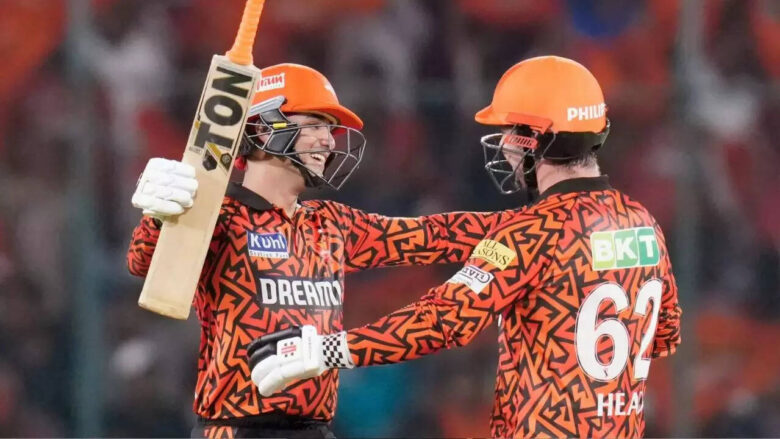
In 2024, Sunrisers Hyderabad notched up 125/0 in six overs against the Delhi Capitals, establishing the highest Powerplay score in Indian Premier League (IPL) history. If that felt like an outlier, the 2024 ICC Men’s T20 World Cup erased lingering doubts when the West Indies blasted 92/1 during this phase against Afghanistan, setting the highest Powerplay total in the tournament’s history, according to ESPNcricinfo records.
The Statistical Shift in First-Six Overs
To understand the magnitude of this aggressive shift, one must examine recent historical data. Teams no longer aim for a steady 50 runs; they target near triple digits before fielding restrictions lift.
| Team | Powerplay Score | Opponent | Tournament/Year |
|---|---|---|---|
| Sunrisers Hyderabad | 125/0 | Delhi Capitals | IPL 2024 |
| Kolkata Knight Riders | 105/0 | Royal Challengers Bengaluru | IPL 2017 |
| Chennai Super Kings | 100/2 | Punjab Kings | IPL 2014 |
| West Indies | 92/1 | Afghanistan | T20 World Cup 2024 |
Strategic Aggression vs. Bowler Adaptation
“In the early days, teams were trying to figure out the best way to approach T20 cricket. With time, strategies became clearer and mindsets shifted dramatically. Today, the format is defined by aggression and fearlessness,” former India opener WV Raman noted regarding the modern batting approach.
Credit is frequently given to bigger bats, flatter pitches, and shorter boundaries. However, the primary catalyst is batter intent. Batters enter the crease knowing specific data points:
- Match-ups: Statistical advantages against specific bowler types based on historical strike rates.
- Release points: Pre-calculated angles determined through bowler analytics.
- Targeted zones: Predetermined areas of the field to exploit based on the two-fielder limit outside the 30-yard circle.
“With the new ball and fielding restrictions in place, it is seen as the ideal phase to seize control of the game,” Raman argued. “Batters look to attack relentlessly, aiming to maximize scoring opportunities. This approach is evident even in places like Australia, where larger grounds haven’t deterred batters from going ballistic early on. The rise of T20 specialists has only reinforced this trend.”
The Compression of Game Tension
Bowlers operate under suffocating constraints during the first 36 balls. According to International Cricket Council (ICC) regulations, only two fielders are allowed outside the 30-yard circle during the Powerplay. Miss a length by millimeters, and the hard ball easily clears the infield.
“Bowlers must adapt and think smarter,” Raman observed. “Modern cricket demands more than just skill. It requires awareness, variation, and tactical intelligence. However, even the smartest bowler needs conditions that allow those skills to be effective.”
This dynamic has compressed the tension of a T20 match. Previously, games unfolded in layers: a steady start, a middle-overs squeeze, and an explosion at the death. Currently, the first act threatens to swallow the rest. When a team races to 90 runs in six overs, the middle overs turn into simple maintenance. What should have been scoreboard pressure turns into mere arithmetic.
The 300-Run Frontier
With sustained and frenetic batting upfront, the possibility of a 300-run score in the IPL is becoming a realistic target. Captains and coaches are recalibrating their strategies, frequently front-loading their best bowlers to break early momentum. It remains a strategic vice: use top bowlers early and expose the back end, or hold them back and risk losing the game by the sixth over.
Raman believes that given the current trajectory of scoring trends, a 300-run milestone is within reach if pitch conditions align. “I remember a game featuring SRH in 2024 when they came close with 287 against Royal Challengers Bengaluru, but I think it is possible,” he added.
The first six overs have become the single biggest swing phase in T20 cricket. No other segment offers the same combination of structural advantage, intent, and irreversible consequence. While the death overs can still dazzle and the middle overs can choke, the Powerplay is where the modern T20 match is ultimately decided.