
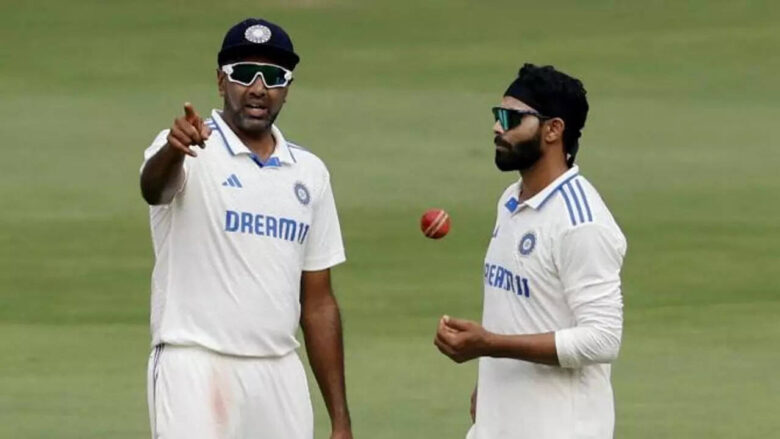
Nilesh Kulkarni Warns India Must Prepare for the Post-Ashwin and Jadeja Spin Transition
Former India left-arm spinner Nilesh Kulkarni has called on the Board of Control for Cricket in India (BCCI) and national selectors to actively identify and groom the next generation of red-ball spinners. With Ravichandran Ashwin having recently crossed the 500-wicket mark and Ravindra Jadeja advancing in his career, India faces an imminent transition in its Test bowling attack.
In a detailed evaluation of Indian cricket’s domestic structure and future challenges, Kulkarni outlined the immediate need to develop bowlers capable of securing 20 wickets in Test matches, both at home and overseas.
The Search for Red-Ball Match Winners
India’s Test success has historically relied on formidable spin partnerships. Kulkarni noted that transitioning from white-ball formats to red-ball cricket presents a significant challenge for modern bowlers. The emphasis must return to identifying bowlers who can consistently register five-wicket hauls in First-Class cricket.
Legacy of Indian Spin Partnerships
| Era | Primary Spinners | Combined Career Test Wickets |
|---|---|---|
| 1990s | Anil Kumble & Venkatapathy Raju | 712 |
| 2000s | Anil Kumble & Harbhajan Singh | 1,036 |
| 2010s–Present | Ravichandran Ashwin & Ravindra Jadeja | 800+ |
While domestic teams at the U-19, U-23, and First-Class levels regularly field multiple spinners, Kulkarni questions whether these setups are producing genuine match-winners. Standardized pitch conditions curated by neutral groundsmen require modern spinners to rely strictly on skill rather than highly customized local surfaces.
Domestic Cricket and the T20 Influence
Kulkarni rejected the notion that T20 cricket is ruining the Test format. Instead, he argued that successful international spinners must adapt across all three variations of the sport. The International Cricket Council (ICC) calendar requires bowlers to transition smoothly between formats.
- Skill Foundation: Champion white-ball spinners often build their foundation in red-ball cricket.
- Historical Precedent: Spinners like Muttiah Muralitharan, Daniel Vettori, and Mitchell Santner achieved white-ball success due to their strong red-ball fundamentals.
- Domestic Participation: Kulkarni praised the current management’s mandate requiring national players to participate in First-Class domestic tournaments, drawing parallels to past eras when Sachin Tendulkar and Sanjay Manjrekar frequently returned to play for Mumbai.
Artificial Intelligence in Sports Management
Beyond on-field tactics, Kulkarni addressed the integration of Artificial Intelligence (AI) in modern sports. Rather than replacing coaching staff, he projects that AI will significantly expand the sports job market.
According to Kulkarni, AI applications in sports will generate a 30% to 50% increase in employment opportunities over the next three to five years. The technology will act as a complementary tool, processing data analytics to provide directional guidance while requiring human expertise for execution.
Roles Resistant to AI Replacement:
- Biomechanists and Sports Scientists
- Strength and Conditioning Experts
- Sports Nutritionists
- Athlete Management and Logistics Personnel
This workforce expansion aligns with India’s ambitions to host major international sporting events, including prospective bids for the 2030 Commonwealth Games and the 2036 Olympic Games.
Corporate Leadership Through Sports at IIM Mumbai
Kulkarni also detailed an academic collaboration with IIM Mumbai (formerly NITIE), which currently ranks sixth in the NIRF Management Rankings. The program utilizes sports methodologies to teach corporate management strategies.
Unlike traditional business case studies that focus on post-event analysis, this curriculum emphasizes the pre-event phases of sports: preparation, risk assessment, and strategic planning. Under the direction of Professor Manoj Tiwari, the initiative translates athletic preparedness into actionable leadership and supply chain management lessons for the corporate sector.