
Logistical Logic? IPL Franchises Criticized for Bizarre Training Camp Locations
NEW DELHI – As preparations for the upcoming Indian Premier League (IPL) season intensify, a growing disconnect between franchises and their home bases has sparked debate among analysts and fans. While marquee players like Gujarat Titans captain Shubman Gill and Rajasthan Royals’ teenage sensation Vaibhav Sooryavanshi have reported for duty, the geographical choices for team camps have raised eyebrows regarding the erosion of traditional "home advantage."
Teams Abandoning Home Bases for Pre-Season Prep
Despite the strategic importance of acclimatizing to home conditions, several franchises have opted to establish training bases hundreds of miles away from their designated home stadiums. This trend contradicts the standard practice in global sports leagues, where pre-season is utilized to galvanize local support.
Reports indicate the following logistical anomalies for the current pre-season window:
- Delhi Capitals (DC): Reportedly traveling to Hyderabad for camp, despite having facilities at the Arun Jaitley Stadium.
- Kolkata Knight Riders (KKR): Utilizing the Shivaji Park facilities in Mumbai rather than Eden Gardens.
- Rajasthan Royals (RR): Stationed at their High-Performance Academy in Talegaon, Nagpur, far from their fortress in Jaipur.
- Royal Challengers Bengaluru (RCB): Conducting drills at the DY Patil Stadium in Navi Mumbai.
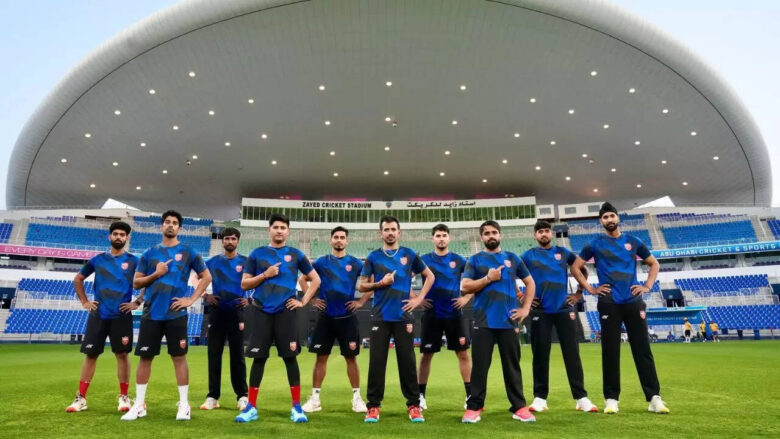
- Punjab Kings (PBKS): Hosting sessions at the Sheikh Zayed Stadium in Abu Dhabi, bypassing their new home ground in Mullanpur.
Critics argue this strategy is comparable to English Premier League club Arsenal training at Manchester United’s Carrington complex prior to the season opener. With the BCCI providing ample infrastructure, the necessity for such displacement remains unclear.
Data: Disconnect Between Home Ground and Training Base
| Franchise | Official Home Venue | Reported Training Camp | Distance from Home |
|---|---|---|---|
| Rajasthan Royals | Sawai Mansingh Stadium, Jaipur | Talegaon, Nagpur | ~750 km |
| Punjab Kings | Mullanpur Stadium, New Chandigarh | Sheikh Zayed Stadium, Abu Dhabi | ~2,500 km |
| Delhi Capitals | Arun Jaitley Stadium, New Delhi | Hyderabad | ~1,500 km |
| Royal Challengers Bengaluru | M. Chinnaswamy Stadium, Bengaluru | DY Patil Stadium, Navi Mumbai | ~980 km |
The Erosion of Home Culture
The primary criticism centers on the alienation of the local fanbase. In leagues like Australia’s Big Bash League (BBL), teams publish training schedules to encourage fan attendance, fostering a community connection weeks before the first ball is bowled. In contrast, IPL franchises appear to be operating in silos, treating home cities merely as venues for match days rather than the heart of their operations.
Furthermore, the concept of a "home" implies familiarity with specific pitch conditions—soil composition, boundary dimensions, and wind factors. By training on foreign soil, teams voluntarily forfeit the opportunity to tailor their tactics to their specific home environments.
The Split-Home Phenomenon
The issue is compounded by franchises splitting their home matches across multiple cities, further diluting their identity. The Punjab Kings have frequently alternated between Mohali/Mullanpur and Dharamsala. Similarly, the Rajasthan Royals engaged in prolonged negotiations to finalize matches in Guwahati alongside Jaipur. The Delhi Capitals have previously listed Visakhapatnam as a secondary home.
Former Chennai Super Kings (CSK) player and bowling coach Dwayne Bravo emphasized the psychological aspect of home advantage during the previous season.
“What helps with the home advantage is the fans. I think that is more important than how the pitch plays. I can’t really comment much on the pitches but once the fans enter the game, cheer us on, that makes a difference,” Bravo stated regarding the impact of local support.
Former India opener and commentator Aakash Chopra supported this view, noting that true advantage relies on two pillars: surface knowledge and crowd support. "Other than that, it’s an away game," Chopra remarked.
Strategic Implications
While facility availability is often cited as a reason for these moves—some grounds may be under preparation for ICC events or domestic fixtures—options often exist within the state association’s jurisdiction. For instance, Gujarat Titans could theoretically utilize facilities in Surat or Baroda to stay within their catchment area, and DC has access to the GMR Aerocity Ground or Palam.
As the Indian Premier League continues to expand, the reluctance of teams to anchor themselves in their designated cities suggests a commercial model prioritizing logistics over legacy. Without a course correction, franchises risk becoming traveling circuses rather than community pillars.
For official schedules and venue details, visit the BCCI Official Website.