
ICC Addresses T20 World Cup Travel Chaos, Rejects Accusations of Bias Amid Gulf Airspace Crisis
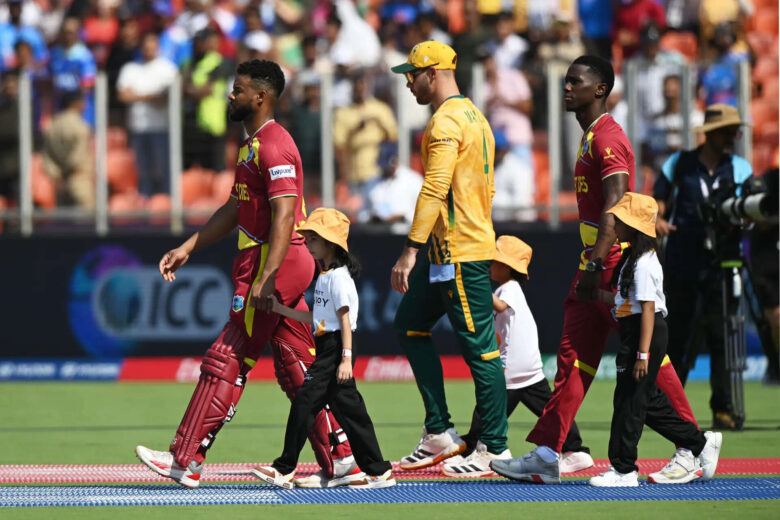
The International Cricket Council (ICC) has issued a formal statement addressing the severe travel disruptions stranding multiple international squads following the conclusion of the 2026 ICC Men’s T20 World Cup. The tournament, co-hosted by India and Sri Lanka, concluded under the shadow of a major aviation crisis in the Gulf region that grounded commercial and charter flights.
Gulf Region Instability Halts Aviation
According to the global governing body, geopolitical instability in the Middle East caused immediate airspace closures and missile warnings. These factors forced severe flight rerouting restrictions and last-minute cancellations, complicating the logistics of transporting teams out of the subcontinent.
“These are conditions entirely outside the ICC’s control, and they have made each travel solution significantly more complex and time-consuming than under normal circumstances,” the ICC stated.
Departure Status of Stranded Teams
The ICC confirmed continuous coordination with airlines and aviation authorities to secure safe passage for the affected contingents. Specific evacuation timelines are now in place for the heavily impacted South African and West Indian squads.
| Team Contingent | Current Status | Expected Departure Window |
|---|---|---|
| South Africa | Awaiting flights in India | Within 36 hours |
| West Indies (Group 1) | In transit to the Caribbean | Currently traveling (9 members) |
| West Indies (Group 2) | Awaiting flights in India | Within 24 hours (16 members) |
ICC Rejects Favoritism Allegations
Unverified online claims suggested the travel delays were influenced by non-logistical factors, pointing to the earlier departure of the English national team. The ICC firmly dismissed these accusations, emphasizing that safety dictates all logistical decisions.
The governing body clarified that the travel arrangements for the South African and West Indian teams operated entirely independent of the arrangements made for England or other nations. Each nation’s exit strategy involved distinct routing and unique logistical hurdles dictated by their final destinations.
Prioritizing Player Welfare
The delays generated genuine frustration among tournament personnel and players anxious to return home after their T20 World Cup campaigns. The ICC acknowledged this strain while reiterating its commitment to passenger safety.
- Safety First: The ICC refuses to approve travel without verified safe routes.
- Family Welfare: Logistics include considerations for players traveling with spouses and children.
- Ongoing Communication: Teams and the Board of Control for Cricket in India (BCCI) remain in constant contact with ground handlers.
The ICC concluded its address by thanking the respective cricket boards for their patience. For historical context on tournament logistics, data archived by ESPNCricinfo indicates that multi-nation events in South Asia frequently require complex contingency planning.