
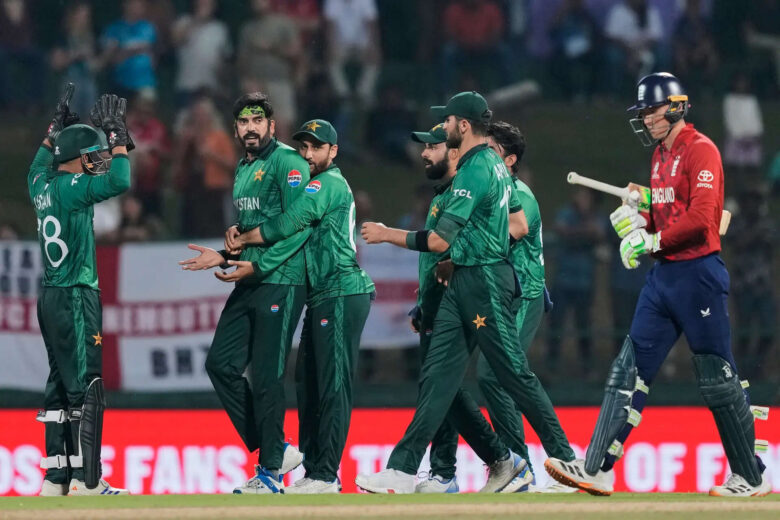
‘I would never want to coach in Pakistan’: Former England captain’s blunt take
The discourse surrounding the Pakistan national cricket team has intensified following a turbulent period in international cricket, with former England captain Michael Vaughan offering a stark assessment of the coaching environment under the Pakistan Cricket Board (PCB). Vaughan, known for his candid analysis, explicitly stated he would never consider a coaching role with the Men in Green, citing the complex internal politics that have recently affected coaches like Jason Gillespie and Gary Kirsten.
Speaking on the challenges faced by overseas coaches in Pakistan, Vaughan drew parallels with the experiences of his former Ashes rival, Jason Gillespie. Gillespie, who was appointed as Pakistan’s red-ball head coach, has reportedly faced significant hurdles regarding selection authority and administrative interference.
Vaughan on the ‘Impossible’ Job
The turnover in Pakistan’s coaching staff has been a focal point of criticism in the cricketing world. Vaughan revealed he has maintained close contact with Gillespie throughout his tenure, gaining insight into the volatility of the role.
“I personally would never want to go and be an overseas coach in Pakistan,” Vaughan said. “I’ve spoken so much to Jason Gillespie when he went over there. It is difficult. I admire overseas coaches that go and coach in Pakistan because I can only imagine what’s going on behind the scenes.”
Vaughan’s comments highlight a broader systemic issue within Pakistan cricket, where frequent changes in management and selection committees have often undermined long-term strategic planning. While he credited coaches for attempting to navigate these waters, he suggested the environment “probably doesn’t give you the best chance of winning the World Cup.”
The Babar Azam Debate: Anchor or Liability?
Beyond the coaching crisis, the tactical utility of white-ball captain Babar Azam remains a polarized subject. During recent major tournaments, including the ICC Men’s T20 World Cup 2024, Babar’s approach has been scrutinized for lacking the explosive power required in the modern game.
Vaughan offered a nuanced view on Babar’s role, describing him as a potential “insurance policy” for the batting lineup—a solid anchor who can stabilize an innings if early wickets fall, provided the batters around him play aggressively. However, statistics suggest this method is yielding diminishing returns.
Statistical Breakdown: Babar’s T20 World Cup Struggles
Data from the 2024 campaign underscores the concerns regarding intent and strike rate. Babar Azam’s inability to accelerate in the powerplay and middle overs has often left Pakistan with sub-par totals.
| Statistic | Babar Azam (T20 WC 2024) | Tournament Context |
|---|---|---|
| Runs Scored | 122 | Highest for Pakistan, but low impact |
| Strike Rate | 101.66 | One of the lowest among top-order batters |
| Balls Faced | 120 | High consumption of deliveries |
| Impact | Anchor Role | Failed to qualify for Super 8s |
“If he strikes at 125-130, that’s absolutely fine if you have aggressive cameos around him,” Vaughan noted, analyzing the ideal conditions for a batter of Babar’s profile. “But on flat tracks requiring 200-plus scores, that approach is outdated.”
Impact on Pakistan’s Future
The combination of administrative instability and on-field tactical rigidity presents a significant hurdle for Pakistan cricket. With the Champions Trophy on the horizon, the PCB faces pressure to stabilize the dressing room environment. Vaughan’s refusal to even consider the role serves as an indictment of the current reputation the job holds among top-tier international coaches.
For Pakistan to attract and retain elite coaching talent—and to maximize the potential of stars like Babar Azam—cricket analysts argue that the board must ensure a separation between cricket operations and administrative politics.