
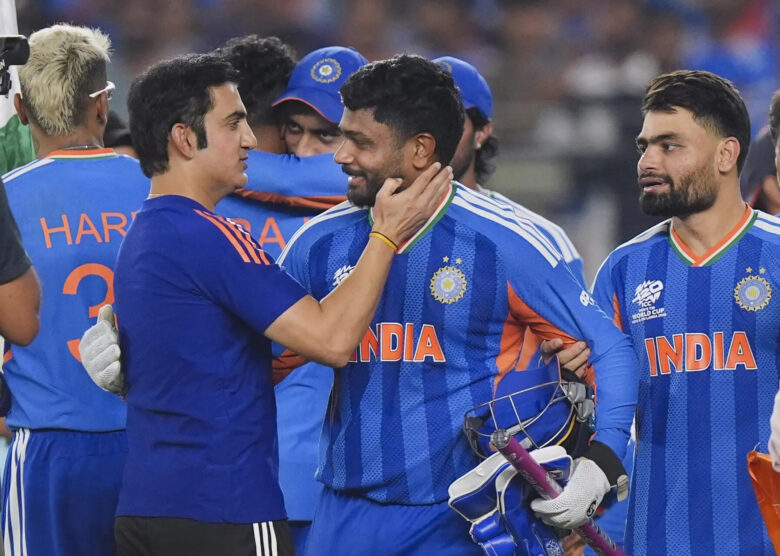
Gautam Gambhir’s T20 Vision: Flexible Tactics Driving India’s Short-Format Success
When Gautam Gambhir assumed the role of head coach for the Indian men’s cricket team in July 2024, replacing Rahul Dravid following the ICC T20 World Cup victory, the mandate was clear: manage a generational transition. While his tenure in Test cricket has faced severe early turbulence, Gambhir’s mastery of the T20 format remains undisputed, deeply rooted in his extensive franchise cricket pedigree.
The IPL Foundation and T20 Blueprint
Gambhir’s approach to the shortest format is a direct product of his success in the Indian Premier League. Following consecutive playoff appearances as mentor for the Lucknow Super Giants and a title-winning 2024 campaign with the Kolkata Knight Riders, Gambhir brought a ruthless, format-specific philosophy to the national setup. He consistently advocates for form over reputation, operating under the mandate of building a highly specialized T20 unit rather than relying on multi-format stars.
Upon taking charge, one of his first major decisions was endorsing Suryakumar Yadav as the full-time T20I captain over Hardik Pandya. Gambhir prefers leaders who intuitively align with his aggressive, nonconformist tactical approach. This strategy yielded immediate dividends in bilateral series sweeps and dominant performances against Sri Lanka, Bangladesh, and South Africa.
Reviving Sanju Samson and Tactical Flexibility
Indian cricket has fully embraced the cultural shift under Gambhir’s regime. A prime example is the resurgence of wicketkeeper-batter Sanju Samson. Working closely with the management, Samson adjusted his technique to eliminate an exaggerated crease shuffle, stabilizing his base. This technical refinement resulted in unprecedented success, with Samson registering multiple centuries in T20 internationals late in 2024.
Gambhir’s tenure is marked by decisive, sometimes unpopular choices:
- Format Segregation: Moving past established all-format players to favor format specialists with higher strike rates.
- Dynamic Batting Orders: Promoting aggressive ball-strikers based on match situations rather than fixed batting positions.
- Uncompromising Aggression: Encouraging a high-risk, high-reward template that prioritizes boundary percentage over anchoring innings.
Contrasting Fortunes: T20 Dominance vs Test Struggles
While the T20 blueprint functions spectacularly well, Gambhir’s methods have faced intense scrutiny in longer formats. The recent 0-3 home series defeat to New Zealand highlighted potential flaws in applying a high-tempo philosophy to Test cricket, where patience, tight defense, and session-by-session continuity are required.
| Format | Series Outcome (Jul-Nov 2024) | Tactical Approach |
|---|---|---|
| T20 Internationals | Series wins vs SL, BAN, SA | Hyper-aggressive, matchup-driven |
| Test Cricket | 0-3 series loss vs NZ | High tempo, resulting in collapse vulnerabilities |
Looking Ahead to the Next Cycle
Gambhir operates as a proud nonconformist, frequently reminding players of the pressure and privilege of representing a nation of a billion people. His tactical acumen in 20-over cricket keeps India a step ahead of the opposition, as evidenced by their continued bilateral dominance tracked by ESPNcricinfo.
However, the true examination of Gambhir’s tenure approaches rapidly. With the BCCI and fans looking toward the 2025 Champions Trophy and the ongoing World Test Championship cycle, the head coach must demonstrate that his rigid tactical flexibility can translate to 50-over and red-ball cricket. Whether India needs to divide coaching responsibilities across formats remains an active debate, but for now, Gambhir firmly holds the reins across all variations of the sport.