
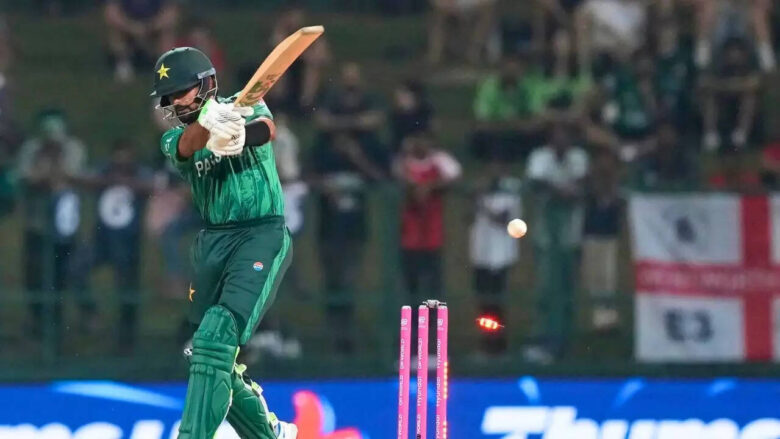
Babar Azam Faces Social Media Backlash Following T20 World Cup Struggles
Pakistan captain Babar Azam finds himself at the center of a cricketing storm following the team’s premature exit from the ICC Men’s T20 World Cup 2024. While the Green Shirts struggled collectively, Azam’s individual performance—specifically his inability to accelerate during the powerplay and middle overs—has triggered a deluge of criticism and viral memes across social media platforms.
The statistical breakdown of his campaign reveals a disconnect between modern T20 requirements and the anchor role Azam continues to play. Critics point to the match against the USA and the low-scoring thriller against India as pivotal moments where a higher strike rate could have altered the tournament’s trajectory.
Statistical Breakdown: The Strike Rate Concern
Data from the 2024 campaign highlights a recurring issue for the Pakistan skipper. In a format demanding explosive starts, Azam’s approach has been mathematically detrimental in high-stakes chases.
| Opponent | Runs | Balls Faced | Strike Rate | Result |
|---|---|---|---|---|
| USA | 44 | 43 | 102.32 | Lost (Super Over) |
| India | 13 | 10 | 130.00 | Lost |
| Canada | 33 | 33 | 100.00 | Won |
| Ireland | 32* | 34 | 94.11 | Won |
Across four innings, Azam accumulated 122 runs but maintained a strike rate of just 101.66. In modern T20 cricket, where par scores frequently exceed 180, an anchor operating at a run-a-ball is often viewed as a strategic liability.
Social Media Reacts: The Meme Template
Digital platforms, particularly X (formerly Twitter) and Instagram, have utilized Azam’s dismissals and slow scoring rate as fodder for satirical content. The criticism focuses on several key narratives:
- The “Zimbabar” Narrative: Fans continue to circulate data suggesting Azam only performs against lower-ranked nations, despite his struggles against the USA associate team.
- Strike Rate Comparisons: Side-by-side graphics comparing Azam’s powerplay usage to aggressive openers like Travis Head or Rohit Sharma.
- Defensive Captaincy: Memes targeting his field placements and reliance on familiar matchups rather than tactical innovation.
Leadership and Structural Criticism
Contrary to rumors circulating about former Islamabad United coach Mike Hesson’s involvement, the current criticism stems from actual team management assessments. Pakistan’s white-ball head coach, Gary Kirsten, delivered a frank assessment following the team’s elimination.
According to reports from ESPNcricinfo, Kirsten emphasized a lack of unity and fitness standards within the squad. The disparity between Pakistan’s playstyle and the evolving global standard was evident throughout the group stages in the USA.
Key Issues Identified by Management
- Fitness Levels: The squad appeared physically sluggish compared to opponents like India and USA.
- Game Awareness: Poor shot selection during crucial phases, particularly in the chase against India.
- Squad Balance: The selection of four fast bowlers often left the batting lineup thin, placing excessive pressure on Azam and Mohammad Rizwan.
The Pakistan Cricket Board (PCB) is expected to review Azam’s captaincy tenure ahead of the upcoming home series. While Azam remains Pakistan’s highest run-scorer in T20Is, the metric of success has shifted from volume of runs to impact per delivery.
For more official statistics and tournament data, visit the International Cricket Council (ICC) website.