
Anatomy of a Miracle: How VVS Laxman and Rahul Dravid Halted Australia’s Invincible Run
Only four times in the 147-year history of Test cricket has a team won a match after being asked to follow on. The third instance, occurring at Kolkata’s Eden Gardens in March 2001, remains a defining moment in sports history. The Indian men’s cricket team, led by Sourav Ganguly, overcame a 274-run first-innings deficit to defeat an Australian squad that entered the contest with a world-record 16 consecutive Test victories.
Early Dominance by Steve Waugh’s Australia
Following a decisive 10-wicket victory in the series opener in Mumbai, Australia maintained their momentum during the first two days in Kolkata. Steve Waugh scored 110, guiding the visitors to a formidable first-innings total of 445. The highlight for the hosts was off-spinner Harbhajan Singh, who claimed 7-123 and became the first Indian bowler to record a Test hat-trick by dismissing Ricky Ponting and Adam Gilchrist, followed by Shane Warne on the next delivery.
India’s response was dismal. The batting lineup collapsed for exactly 171 runs against the relentless pace of Glenn McGrath. Enforcing the follow-on, Australia sought to secure the series and extend their winning streak.
The 376-Run Stand That Changed History
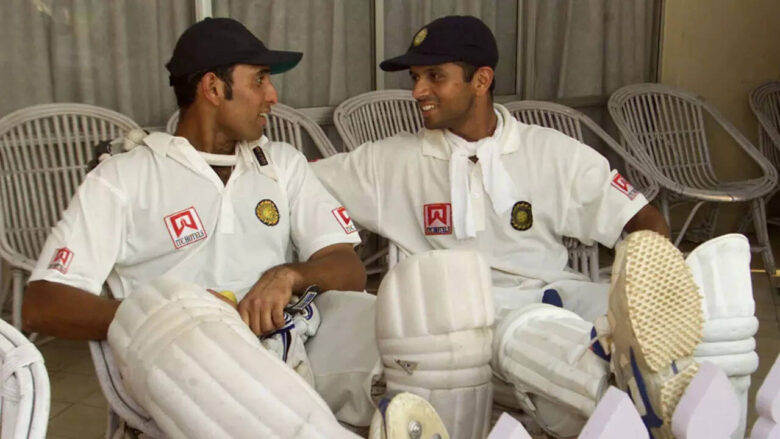
Facing defeat on the third afternoon, India required a massive intervention. VVS Laxman, promoted to number three after top-scoring with 59 in the first innings, joined forces with Rahul Dravid at 232 for 4. The duo batted entirely through the fourth day, systematically dismantling the Australian bowling attack.
Laxman produced a masterclass in wristy strokeplay against Shane Warne, eventually scoring 281 runs. This established the highest individual score by an Indian batter at the time. Dravid provided a resilient 180. Together, they forged a 376-run partnership for the fifth wicket, enabling Ganguly to declare the second innings at 657 for 7.
Match Summary and Statistics
| Innings | Team | Score | Top Performer |
|---|---|---|---|
| 1st Innings | Australia | 445 All Out | Steve Waugh (110) |
| 2nd Innings | India | 171 All Out | VVS Laxman (59) |
| 3rd Innings (Follow-on) | India | 657/7 Declared | VVS Laxman (281) |
| 4th Innings | Australia | 212 All Out | Matthew Hayden (67) |
The statistical anomalies of this match highlight its historical weight:
- India became only the third team in history to win a Test after following on, joining England’s 1894 and 1981 squads.
- Harbhajan Singh finished the match with 13 wickets, cementing his position in the Board of Control for Cricket in India national setup.
- Australia’s 16-match winning streak was officially terminated.
- As confirmed by the match scorecard from ESPN Cricinfo, the exact margin of victory, 171 runs, mirrored India’s entire first-innings total.
Day Five: A Dramatic Conclusion
Set a target of 384 runs on a deteriorating pitch, Australia appeared capable of forcing a draw. They reached 166 for 3 with fewer than 40 overs remaining. Harbhajan Singh then initiated a sudden collapse, supported by three unexpected wickets from Sachin Tendulkar. Australia lost their final seven wickets for just 46 runs, dismissed for 212 in the final session.
The 80,000 fans at Eden Gardens celebrated a remarkable turnaround. The result revitalized Indian cricket under Ganguly and established the foundation for the team’s modern era of aggressive play. For comprehensive historical records on the format, the International Cricket Council recognizes this match as one of the greatest comebacks in international sports.